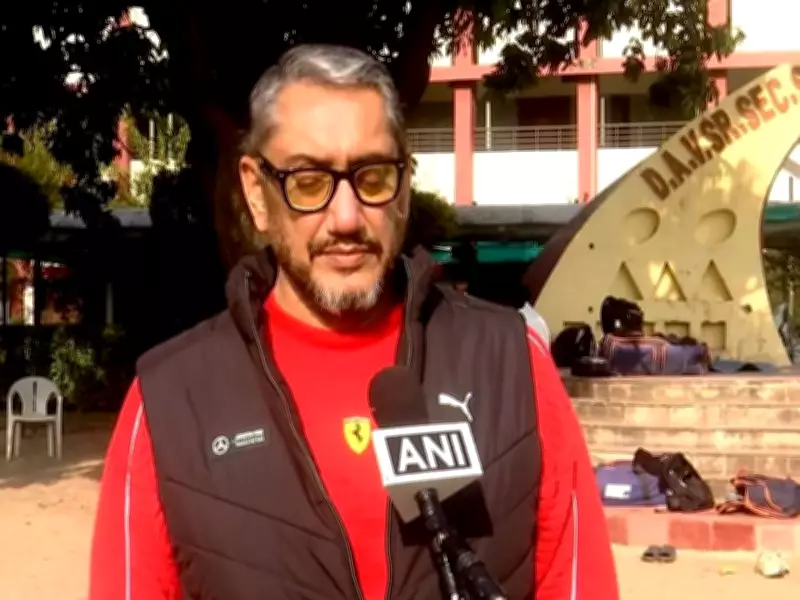
Bangladesh Coach Sukhwinder Bawa Interprets Pakistan's T20 World Cup Decision
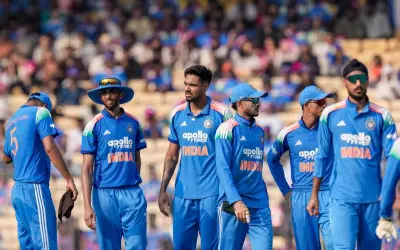
In a recent development that has stirred the cricketing world, Bangladesh's coach Sukhwinder Bawa has offered a thought-provoking perspective on Pakistan's surprising U-turn to play against India in the upcoming T20 World Cup. Bawa speculates that this move might be less about cricket and more about geopolitical messaging, particularly aimed at demonstrating solidarity with Bangladesh.
A Strategic Shift in Pakistan's Stance
Initially, Pakistan had expressed reluctance or hesitation to face India in the tournament, citing various concerns. However, they reversed this position, agreeing to the match. Bawa, with his deep understanding of South Asian cricket politics, posits that this reversal could be a calculated gesture. "Perhaps Pakistan wanted to show that it is with Bangladesh," Bawa stated, implying that the decision might be intended to convey support or alignment with Bangladesh on broader regional issues.
This interpretation adds a layer of complexity to what is typically seen as a sporting rivalry. It suggests that Pakistan's actions on the cricket field are intertwined with diplomatic considerations, potentially using the high-profile match as a platform to send a message of unity or cooperation with Bangladesh.

Implications for the T20 World Cup and Regional Dynamics
The T20 World Cup, scheduled to be a major event in the cricketing calendar, now carries additional significance due to this political subtext. Bawa's comments highlight how sports, especially cricket in South Asia, often reflect and influence international relations. The India-Pakistan match, always a highlight, could see heightened attention not just for athletic prowess but for its symbolic value.
Bawa, as a coach involved in the region, brings an insider's view to this analysis. His remarks underscore the delicate balance between sport and politics, where decisions like Pakistan's U-turn can resonate beyond the boundary ropes. This situation may impact team preparations, fan expectations, and media narratives leading up to the tournament.