Fakhar Zaman Sidelined for High-Voltage India Clash in T20 World Cup 2026
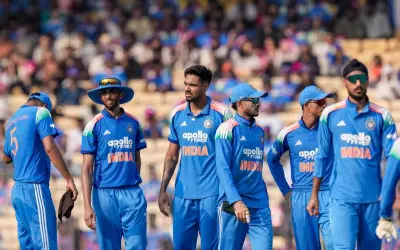
In a surprising tactical move, Pakistan's explosive left-handed opener Fakhar Zaman was omitted from the playing XI for the crucial Super 12 stage match against arch-rivals India in the T20 World Cup 2026. The high-stakes encounter, held at a packed stadium, saw Pakistan fielding a revised top order, sparking widespread speculation and analysis among cricket pundits and fans globally.
Strategic Rest and Rotation Policy Behind the Decision
The Pakistan team management, led by the head coach and captain, confirmed that Zaman's exclusion was a premeditated decision rooted in a carefully crafted player management strategy. This rotation policy is designed to prevent burnout and injuries, especially given the intense schedule of back-to-back matches in the tournament's group phase. "We have a deep squad, and it's essential to utilize all resources wisely to maintain peak performance throughout the World Cup," stated a team spokesperson in a post-match briefing.
Insiders reveal that the think tank prioritized long-term tournament success over short-term gains in this marquee fixture. By resting Zaman, who has been a consistent performer in recent series, the management aims to:

- Ensure his freshness for knockout matches and potential must-win games later in the tournament.
- Provide opportunities to other talented batsmen in the squad, fostering healthy competition and team cohesion.
- Mitigate the risk of fatigue-related dips in form, which can be critical in a high-pressure event like the World Cup.
Impact on Pakistan's Batting Line-up and Match Dynamics
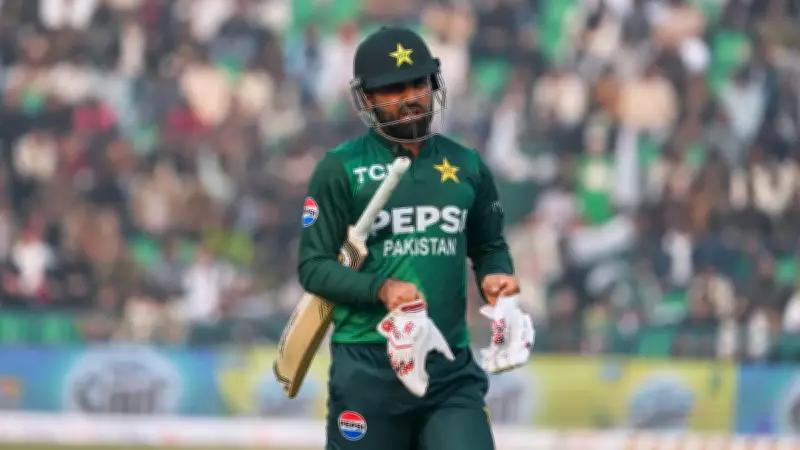
Zaman's absence necessitated a reshuffle at the top of the order, with another opener stepping in to partner with captain Babar Azam. While this change altered the team's usual batting dynamics, it also tested the bench strength under extreme pressure. Analysts noted that Pakistan's batting approach appeared more conservative initially, possibly adjusting to the new combination against India's formidable bowling attack.
The decision underscores a broader trend in modern cricket, where teams increasingly adopt data-driven and strategic rest periods, even in high-profile matches. "It's a bold call that reflects confidence in the entire squad, not just the star players," commented a former cricketer during the broadcast. Despite the loss of Zaman's aggressive stroke-play, Pakistan's management expressed satisfaction with the team's overall performance and adaptability.
Looking Ahead: Zaman's Role in Pakistan's World Cup Campaign
Fakhar Zaman is expected to return to the playing XI for Pakistan's subsequent matches in the T20 World Cup 2026. His rest period is viewed as a strategic investment, aiming to harness his full potential in the tournament's decisive phases. Fans and experts alike will closely monitor how this rotation policy impacts Pakistan's quest for the title, especially in crunch games against other top contenders.
In summary, while Fakhar Zaman's non-participation against India raised eyebrows, it was a calculated move by Pakistan's cricket leadership. This approach highlights the evolving nature of team management in international cricket, where player welfare and strategic planning are paramount in pursuit of global glory.