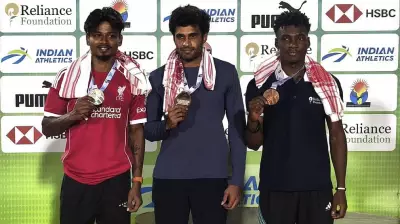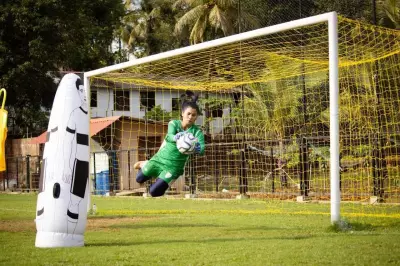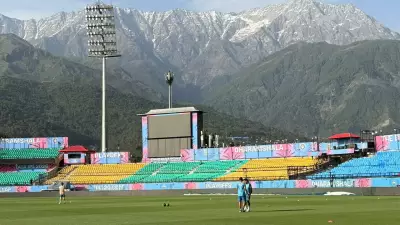
In a bold declaration of India's sporting ambitions, ICC Chairman Jay Shah has laid out a comprehensive blueprint for the nation's athletic future. The plan sets its sights on two major milestones: successfully hosting the Commonwealth Games in 2030 and achieving an unprecedented medal haul at the Olympic Games in 2036.
From Eight to a Hundred: A Monumental Leap
The core of Shah's vision is a staggering quantitative leap in Olympic performance. He has made it clear that the eight medals India won in its best Olympic outing so far will not be sufficient for the future. The new target is nothing short of one hundred Olympic medals at the 2036 Games. This represents a more than twelve-fold increase from the country's current record, signalling a complete transformation in ambition and infrastructure.
Furthermore, the plan includes a specific regional target. The state of Gujarat, which is expected to be a central hub for the 2036 Olympics if India's bid is successful, has been tasked with contributing ten medals to the national tally. This highlights a strategy of decentralising excellence and building strong sporting ecosystems at the state level.

The Roadmap: CWG 2030 as a Crucial Stepping Stone
Jay Shah confirmed that India's immediate focus is on the Commonwealth Games in 2030, which the country is poised to host. This event is seen not as an end goal, but as a critical preparatory platform for the larger Olympic challenge six years later. Hosting the CWG will allow India to test its operational capabilities, sporting infrastructure, and organisational prowess on a major international stage.
The experience gained from managing the Commonwealth Games will be invaluable for the even larger logistical and competitive undertaking of the Olympics. It provides a clear, staged pathway: excel as hosts and competitors in 2030, then carry that momentum forward to conquer the global stage in 2036.
Big Dreams, Bigger Expectations
This announcement, made on January 4, 2026, moves India's sporting aspirations from hopeful rhetoric to a defined, high-stakes mission. The targets set by Shah are intentionally audacious, designed to push the entire sports ecosystem—including athletes, coaches, federations, and governments—towards a paradigm shift.
Achieving this vision will require monumental effort across several fronts:
- Infrastructure Development: Building world-class training and competition facilities across the country, with a special focus on Gujarat.
- Grassroots Talent Identification: Implementing nationwide programs to identify and nurture sporting talent from a young age.
- High-Performance Support: Providing athletes with access to top-tier coaching, sports science, medical support, and financial security.
- Public and Private Partnership: Fostering collaboration between government bodies, corporate sponsors, and sports federations to fuel this ambition.
Jay Shah's blueprint has set a new benchmark for Indian sport. The message is unequivocal: the era of incremental improvement is over. The nation is now chasing a legacy of dominance, aiming to announce its arrival as a global sporting superpower by 2036. The journey of a thousand miles—or a hundred medals—begins with this ambitious first step.