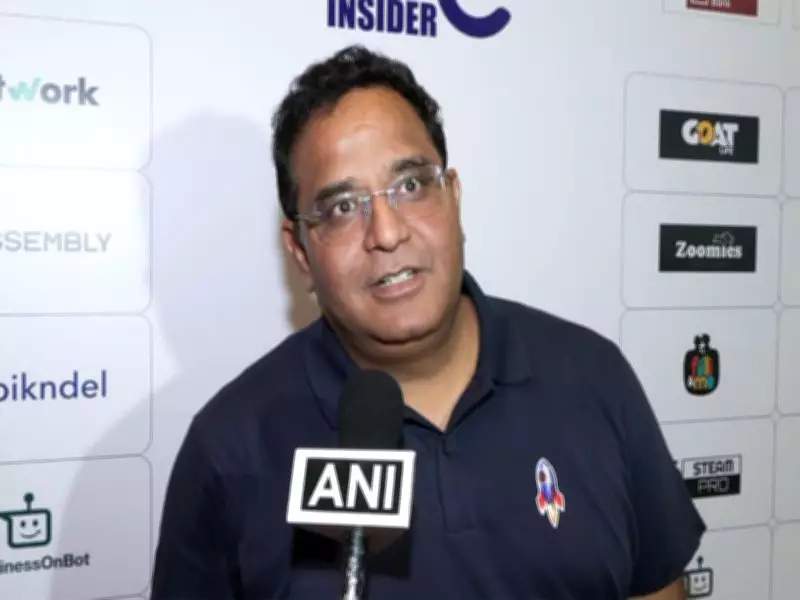
Digital payments and the mobile economy in India have significant room for expansion, with no signs of a slowdown in transaction growth, according to Paytm CEO Vijay Shekhar Sharma. Speaking at a recent event, Sharma highlighted that the country's digital payment ecosystem is still in its early stages, with immense potential for growth driven by increasing smartphone penetration and internet access.
Current State of Digital Payments
India has witnessed a surge in digital transactions over the past few years, fueled by government initiatives like Digital India and the rise of fintech companies. However, Sharma noted that despite the rapid adoption, a large portion of the population remains underserved. He emphasized that the mobile economy is expected to contribute significantly to India's GDP, with projections indicating a rise from $200 billion in 2020 to over $1 trillion by 2025.
Key Drivers of Growth
- Smartphone Penetration: With affordable smartphones and cheap data plans, more Indians are coming online, creating a fertile ground for digital payment services.
- Government Support: Policies promoting cashless transactions and financial inclusion are accelerating the shift from cash to digital.
- Innovation in Fintech: Companies like Paytm are continuously introducing new features such as UPI, QR code payments, and digital lending to attract users.
No Slowdown in Transaction Growth
Sharma dismissed concerns about a plateau in digital payment volumes, stating that transaction numbers are consistently rising. He pointed to data showing that UPI transactions alone crossed 7 billion in volume in October 2023, a year-on-year increase of over 50%. The growth is not limited to urban areas; rural regions are also adopting digital payments rapidly.

Challenges and Opportunities
Despite the optimism, challenges remain, including cybersecurity threats, digital literacy gaps, and infrastructure issues in remote areas. However, Sharma believes these can be addressed through collaboration between the government, regulators, and private players. He called for continued investment in digital infrastructure and education to ensure inclusive growth.
The Paytm CEO also highlighted the role of small merchants and kirana stores in driving digital payment adoption. These businesses are increasingly using QR codes and payment apps to streamline operations and attract customers. As the ecosystem matures, Sharma expects digital payments to become the norm for even the smallest transactions.
Future Outlook
Looking ahead, Sharma predicted that the mobile economy will be a cornerstone of India's economic growth. He urged stakeholders to focus on innovation and user experience to sustain the momentum. With the right policies and continued technological advancements, India is poised to become a global leader in digital payments.