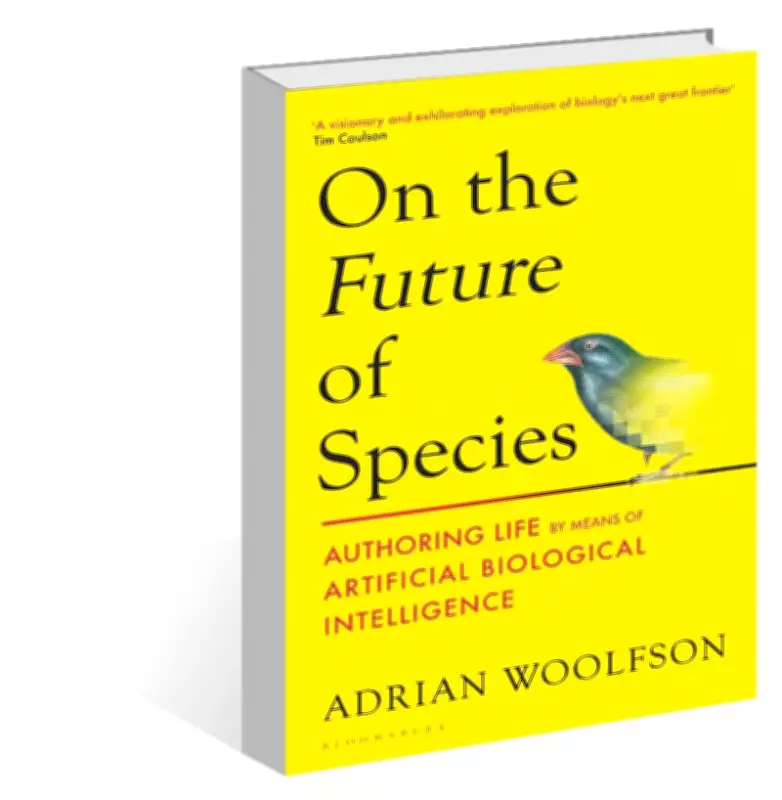
Adrian Woolfson's 'On the Future of Species' Reimagines Life Through Artificial Biology
In his groundbreaking book, 'On the Future of Species', author Adrian Woolfson takes readers on a profound journey into the realm of artificial biology. This work explores how synthetic biology and advanced technologies are poised to redefine the very essence of life, challenging traditional notions of evolution and natural processes.
Exploring the Intersection of Science and Imagination
Woolfson delves into the cutting-edge field of artificial biology, which combines elements of biology, engineering, and computer science to create new life forms or modify existing ones. The book discusses how this discipline could lead to innovations such as:
- Designer organisms tailored for specific functions, like environmental cleanup or medical treatments.
- Synthetic cells that mimic natural biological systems, offering insights into the origins of life.
- Advanced genetic engineering techniques that might enhance human capabilities or address genetic diseases.
Through detailed analysis and thought-provoking scenarios, Woolfson examines the potential benefits and risks associated with these developments. He emphasizes that artificial biology is not just a scientific endeavor but a philosophical one, raising questions about what it means to be alive and the ethical boundaries of human intervention in nature.

Ethical Considerations and Future Implications
The book also addresses the ethical dilemmas posed by artificial biology. Woolfson argues that as we gain the ability to manipulate life at its most fundamental level, society must engage in robust discussions about:
- The moral responsibilities of scientists and policymakers in regulating synthetic life forms.
- The potential for unintended consequences, such as ecological disruptions or biosecurity threats.
- The impact on biodiversity and natural ecosystems if artificial species are introduced.
Woolfson's narrative is both informative and speculative, encouraging readers to consider how artificial biology might shape the future of species, including humanity itself. He suggests that this field could lead to a new era of biological innovation, but it requires careful stewardship to avoid pitfalls.
Overall, 'On the Future of Species' is a compelling read that bridges science and ethics. It offers a unique perspective on how artificial biology could revolutionize our understanding of life, making it a must-read for anyone interested in the future of technology and biology.