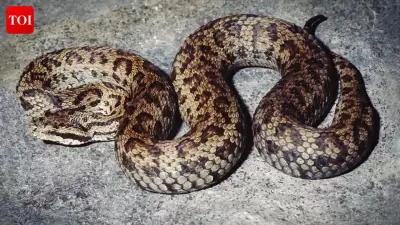
Arizona's deserts might appear quiet and still, but they are teeming with life, especially for reptiles. If you live or hike there, chances are you will encounter one of the 13 species of rattlesnakes that call the state home. These creatures range from rocky canyon trails to the edges of Phoenix and Tucson, demonstrating their deep connection to the desert ecosystem. According to the National Park Service, the Chiricahua Rattlesnake plays a significant role in maintaining ecological balance while enduring harsh conditions.
Arizona Offers the Ideal Setup for a Rattlesnake Paradise
Arizona's geography creates perfect conditions for rattlesnake diversity. The state combines hot deserts, rugged mountains, grasslands, and canyon systems, each offering unique habitats. Additionally, waterways and desert springs attract prey, which supports more snakes. Combining these features with the state's diverse landscape provides ample reasons why these slithery inhabitants thrive here.
Why Are There So Many Different Species?
According to the College of Agriculture, Life & Environmental Sciences, from scorching deserts to chilly mountain spots, there is plenty of variety. Reptiles can remain active for longer periods due to warm temperatures, and rocky areas offer cover from the heat. Because these regions blend together, rattlesnakes with varying needs for warmth, elevation, and moisture can live in close quarters. It is not surprising that some species prefer flat desert floors, while others favor cooler mountains. Isolation in different terrains has driven evolution, further enriching the diversity.

When Exploring the Desert, a Handful of Rattlers Stand Out
According to the National Park Service, the Western Diamondback is probably the best-known species, whether in deserts, grasslands, or suburban areas. The Mojave Rattlesnake is a venom powerhouse suited for extremely dry zones. Another common species is the Black-tailed Rattlesnake, which sticks to high grounds and rough patches. Most of the time, rattlesnakes prefer to avoid humans, but knowing what to watch for helps keep everyone safe.
Where Encounters Are Most Likely
Hikers and people living in developing areas need to be extra cautious since human developments border rattlesnake habitats. Desert paths, foothills, and ravine edges become high-risk areas. Snakes may also take refuge in newly built areas, hanging around garages or cool nooks in backyards to escape the sun. Areas with farmlands and irrigated spaces increase the chances of encounters, and mornings and evenings are peak activity times.
People often think snakes want to bite, but in reality, they prefer to steer clear of humans. They use camouflage and freeze to avoid detection. When spotted, their smart move is to rattle as a warning, signaling an easy escape before things escalate. Rattlesnakes typically attack only when accidentally stepped on or when they feel trapped with no escape route. To stay safe, it is good to recognize their telltale signs and remain alert.
Throughout the year, rattlesnakes change their behavior based on temperatures. Cool winter spells mean lower activity levels or even a reptilian version of hibernation. But once spring arrives and days become warm, the hunt for food and mates begins, leading to more encounters. April and May are prime months for encountering them in sunny spots across Arizona.
Safety Tips for Desert Residents and Hikers
Both hikers and desert residents can stack the odds in their favor by following a few smart rules. On trail runs, opt for sturdy footwear and stick to path markers while being mindful of where you place your hands. At home, clearing debris and patching leaks deters pests and the predators that chase them. Watch your steps and hands, especially near rocks and shady areas.
In the event of a meeting, do not panic. Slowly ease yourself away while keeping your movements steady to avoid agitating the snake. Resist the urge to touch, move, or harass it, and remember that most of the time, the snake will move on its own. Local wildlife professionals can handle unwanted guests in urban areas.

Snakebites are not common, but every second counts if one occurs. Speeding straight to the emergency room is better than relying on internet remedies. Keeping the bite area calm and below heart level minimizes the spread of venom. Do not self-medicate with homemade remedies such as cutting, icing, or applying a tourniquet, as these can worsen the damage. Swift hospital visits today ensure excellent outcomes, thanks to antivenom science.
Living alongside these serpents comes down to education and mindful adventures. Although sometimes nerve-wracking, respecting rattlesnakes maintains peace and protects their role in nature. As cities expand into natural lands, learning to coexist wisely ensures both human safety and the preservation of wild habitats.