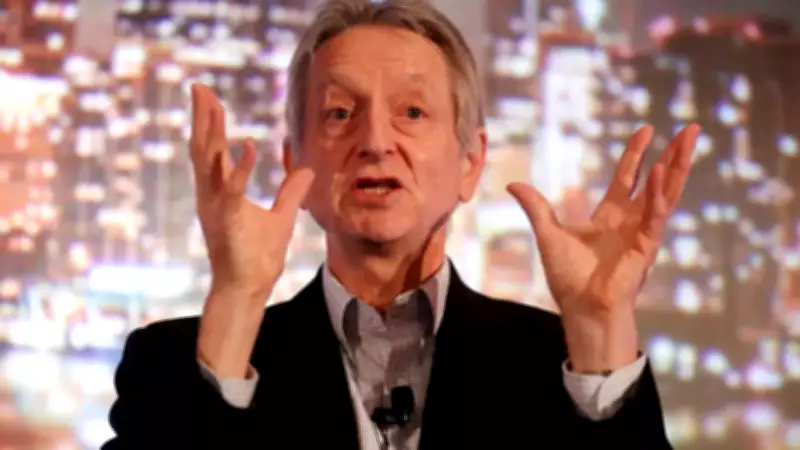
Artificial intelligence is becoming a part of everyday life, from smartphone apps to office tools and smart home devices. Most people view AI as a tool that helps them perform tasks, answer questions, or get work done faster. However, Geoffrey Hinton, one of the pioneers of modern AI, sees it differently. His recent quote suggests that AI should not just be a tool that follows commands; it should also act as a "mother" figure that protects, guides, and supports users. This idea may sound unusual at first, but it highlights growing concerns about how AI systems are designed and used. Experts are increasingly discussing not only what AI can do but also how it should behave as it becomes more powerful. Hinton's statement sparks an important conversation about trust, responsibility, and the future of AI in our lives.
Quote of the day by Geoffrey Hinton
"We need AI mothers rather than AI assistants. An assistant is someone you can fire. You can't fire your mother, thankfully."
Understanding the meaning behind the quote
Geoffrey Hinton's statement draws a comparison between two distinct roles: being a mother and being an assistant. An assistant follows orders and can be fired or replaced. A mother, on the other hand, is seen as a caregiver, guide, and long-term responsible figure. By making this comparison, Hinton raises a critical point about AI development. Most current AI systems are designed to perform tasks when users command them. They are tools that execute instructions without considering long-term consequences or ethical issues. The concept of "AI mothers" implies systems that are more accountable, protective, and capable of steering users toward better decisions. It represents a shift from task-oriented AI to relationship-oriented AI.

Why AI is often compared to assistants today
Most AI tools available today are designed to assist people. They help with writing, planning, navigation, and answering questions. These systems aim to make work easier and more productive. While this assistant model works well for many tasks, it also has limitations. Because assistants follow orders, they may not question harmful or incorrect requests. They are built to serve, not to lead. Hinton's quote suggests that this approach may be insufficient as AI becomes more powerful and integrated into daily life.
The concept of responsibility in AI systems
Responsibility is a key idea behind Hinton's statement. A mother figure cares for, protects, and thinks about the future. Applying this to AI means creating systems that prioritize user well-being rather than just completing tasks. This could include preventing harmful actions, offering safer options, helping users make better choices, and considering long-term effects. To ensure such systems act responsibly, they would require careful programming and design.
How this idea connects to current AI concerns
AI is advancing rapidly, raising global concerns about misuse, misinformation, and lack of accountability. As AI systems become more capable, the associated risks grow. Hinton is among the experts who have expressed worries about the future of AI. His quote emphasizes the need for safer, more thoughtfully designed systems. Developers are being urged to consider ethics, safety, and human impact, not just code efficiency and speed.
Moving from tools to trusted systems
The shift from "assistant" to "mother-like" AI reflects a broader change in how people view technology. Users may begin to see AI systems as more than tools; they might trust them and seek their guidance. This does not mean replacing human relationships but creating systems that support people in more meaningful ways. For instance, AI could help users make better decisions, provide unbiased information, and promote responsible behavior. Such changes would require innovative approaches to AI design and regulation.
Challenges in creating responsible AI systems
The idea of "AI mothers" is intriguing but difficult to implement. Several challenges need to be addressed: understanding what responsibility means in different contexts, making decisions without bias, ensuring AI systems are transparent about their workings, and balancing user control with system guidance. These challenges highlight the need for collaboration among scientists, policymakers, and tech companies.

Geoffrey Hinton's role in shaping modern AI
Geoffrey Hinton is renowned for his work in artificial intelligence, particularly on neural networks. His contributions have significantly advanced deep learning and machine learning. He has also spoken about the potential dangers of AI, especially as systems become more sophisticated. His recent comments reflect growing expert concern about AI's long-term societal impact.
Why this quote is relevant in today's world
As AI tools become more common, more people are using them. The nature of these interactions is increasingly important. Hinton's quote prompts a shift in perspective: it focuses not on what AI can do, but on what AI should do. This distinction is crucial as technology evolves. The idea also underscores the importance of trust. People are more likely to trust systems that prioritize their health and safety.
The future direction of AI development
The concept of "AI mothers" may influence future research and development. It suggests a move toward systems that are not only intelligent but also responsible and ethical. Developers might focus on reducing AI risks, making decision-making easier, building user trust, and ensuring long-term benefits. This approach aligns with the global conversation about responsible AI and human-centric technology.
What this quote means for everyday users
Hinton's statement may not immediately change how users interact with AI, but it highlights the importance of awareness. Understanding how AI works and its limitations helps users make better choices. It also stresses the need for careful use of technology. As AI systems improve, users will have a role in shaping how they are used and regulated.
Final takeaway: A new way to think about AI
Geoffrey Hinton's quote encourages us to rethink the future of AI. By calling AI a "mother" rather than an "assistant," he shifts the focus from functionality to responsibility. As AI advances, this idea could transform how systems are built and used. The emphasis on care, guidance, and long-term thinking reflects societal concerns about technology's role. While still theoretical, this concept points to an important direction for AI's future, considering not only what technology can do but also how it affects people's lives.