Hitachi, the global technology giant, has unveiled ambitious plans to transform India's infrastructure landscape. The company will harness the power of artificial intelligence and robotics to drive modernisation efforts across the country.
Strategic Vision for 2030
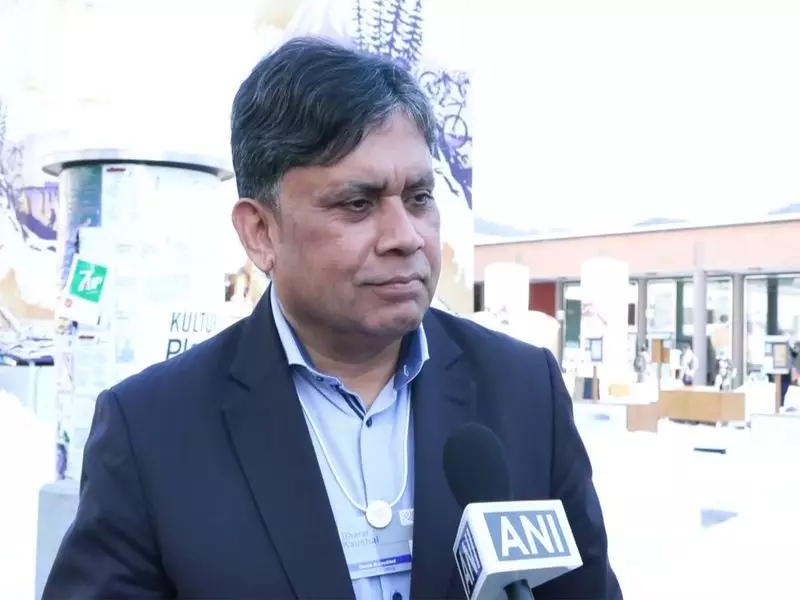
Executive Chairman Bharat Kaushal announced this strategic direction, setting a clear target for 2030. Hitachi aims to integrate advanced technologies into India's core infrastructure sectors. This move aligns with the nation's push for digital transformation and sustainable development.
Focus on Key Areas
The initiative will concentrate on several critical domains. These include transportation, energy, and urban development. By deploying AI and robotics, Hitachi seeks to enhance efficiency, reduce costs, and improve safety in these sectors.

Kaushal emphasised the importance of this vision during a recent statement. He highlighted how technology can address India's growing infrastructure needs. The plan involves creating smart solutions that are both scalable and adaptable to local conditions.
Leveraging Global Expertise
Hitachi brings decades of experience in innovation to this project. The company has a strong track record in developing cutting-edge technologies worldwide. This expertise will be crucial in tailoring solutions for India's unique challenges.
The focus on AI and robotics is particularly timely. India is rapidly embracing digital tools across various industries. Hitachi's initiative could accelerate this trend, fostering a more connected and efficient infrastructure network.
Potential Impact and Benefits
This modernisation drive promises significant benefits for India. It may lead to smarter cities, more reliable energy grids, and improved transportation systems. The use of robotics could automate complex tasks, reducing human error and increasing productivity.
AI applications might optimise resource management and predictive maintenance. This could result in lower operational costs and enhanced service delivery. Overall, the project aims to support India's economic growth and quality of life improvements.
Challenges and Opportunities
Implementing such a vision will not be without challenges. Issues like data privacy, skill development, and regulatory frameworks need careful consideration. However, Kaushal expressed confidence in overcoming these hurdles through collaboration and innovation.
The 2030 timeline provides a realistic framework for gradual implementation. Hitachi plans to work closely with Indian partners, including government agencies and private enterprises. This collaborative approach is key to ensuring the project's success and sustainability.
As India continues to urbanise and industrialise, modern infrastructure becomes increasingly vital. Hitachi's commitment to leveraging AI and robotics could play a pivotal role in shaping the country's future. The next decade will be crucial in turning this vision into reality.