India Confronts Escalating Cyber Threat Landscape
India is currently grappling with a severe cybersecurity crisis, facing an alarming average of 3,100 cyber attacks per week. This persistent digital onslaught highlights the growing vulnerabilities in the nation's critical infrastructure and digital ecosystems.
Education Sector Emerges as Primary Target
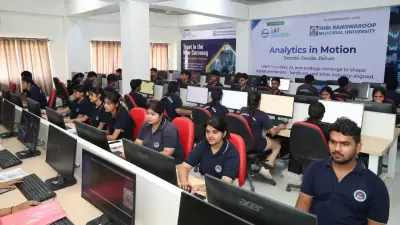
The most concerning aspect of this cyber warfare is the disproportionate targeting of the education sector. According to recent data, each educational institution in India endures more than 7,600 attacks weekly, making it the worst-affected segment of the economy. This relentless assault on academic institutions threatens not only institutional data but also the privacy and security of millions of students and educators.
Government and Business Sectors Under Siege
The cyber threat extends far beyond educational institutions. Government organizations face their own formidable challenges, with over 4,900 attacks recorded weekly against various agencies and departments. Meanwhile, the business sector reports significant disruptions, with enterprises experiencing 3,747 service interruptions caused by malicious actors each week, impacting operations and economic stability.

Artificial Intelligence Amplifies Security Challenges
This surge in cyber attacks coincides with the rapid advancement and adoption of artificial intelligence technologies. Security experts warn that AI-powered tools are increasingly being weaponized by cybercriminals, enabling more sophisticated and automated attacks that can bypass traditional security measures. The intersection of AI development and cybersecurity vulnerabilities creates a perfect storm for digital threats.
The scale and frequency of these attacks underscore the urgent need for enhanced cybersecurity protocols across all sectors. As India continues its digital transformation journey, protecting critical infrastructure from these persistent threats has become a national priority requiring coordinated efforts between government agencies, private enterprises, and educational institutions.