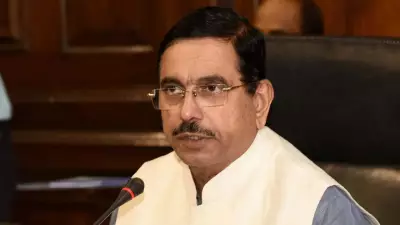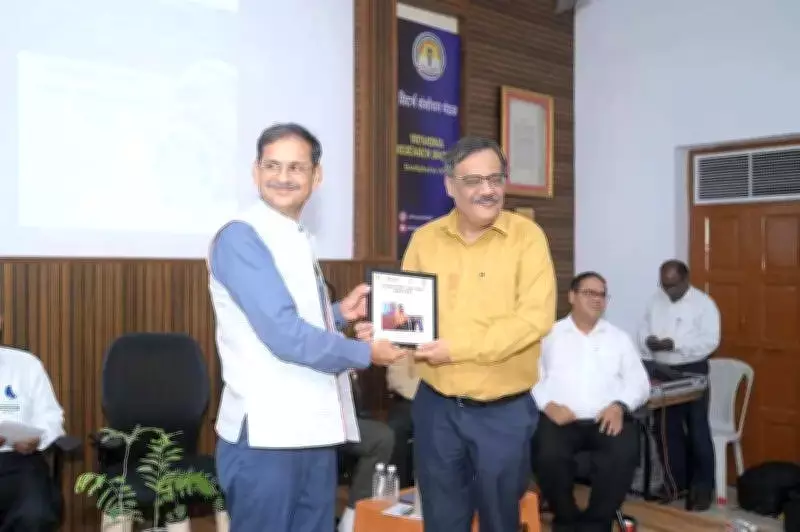
Praful Pathak, president of the Solar Energy Society of India (SESI), on Saturday floated a pilot project for the Nagpur Municipal Corporation (NMC) that envisages solar panel-covered canopies over roads and major intersections. The concept intends to replace green shade nets currently erected at several city squares with semi-circular photovoltaic structures capable of generating clean energy while simultaneously providing shade to commuters.
Pilot Project Details
Speaking to TOI on the sidelines of a conference on Empowering Vidarbha's Growth Through Renewable Energy, organised by Vidarbha Research Society, Pathak said Nagpur's abundant sunshine makes it an ideal city for such an initiative. As per preliminary studies, a network of solar canopies across major roads could generate significant quantities of electricity, enough to power traffic signals, streetlights and other roadside infrastructure.
"Roads in Nagpur could soon do more than just carry traffic. They could also generate electricity," he said. Pathak, who is currently based in Delhi but has his roots in Nagpur, added, "We can replace shade nets with solar canopies and generate power in the same space. This will provide shade to motorists and pedestrians while creating a new source of clean energy."

Potential Power Generation and Cost Savings
Claiming that Nagpur alone could potentially generate close to 100MW through strategically placed solar canopies over roads, Pathak estimated the power generated could cost around Rs 3 to Rs 4 per unit, substantially lower than Rs 9 per unit currently paid by the civic body. The reduction could translate into considerable savings on NMC's annual electricity expenditure. Pathak believes the concept can be scaled across the city if the pilot proves successful.
Vidarbha's Solar Potential
Expanding on Vidarbha's solar potential, Pathak argued that if photovoltaic installations were developed on even 20% of Vidarbha's available land, the region could contribute significantly to meeting national power demand. He further suggested that a long-term target of 500GW of solar capacity in Vidarbha was achievable, provided adequate policy support, funding and technical expertise were mobilised.
Innovations Beyond Canopies
Pathak also called for innovations such as solar-powered cooling systems and water-cooling technologies as sustainable alternatives to conventional air-conditioning, which he wishes to pilot at VRS premises in Civil Lines.