Every International Yoga Day, yoga finds itself in the headlines with photographs of mass events, discussions on flexibility, and debates on its essence. Yet one branch—Yoga Mudras—rarely receives the same attention despite being practised for centuries.
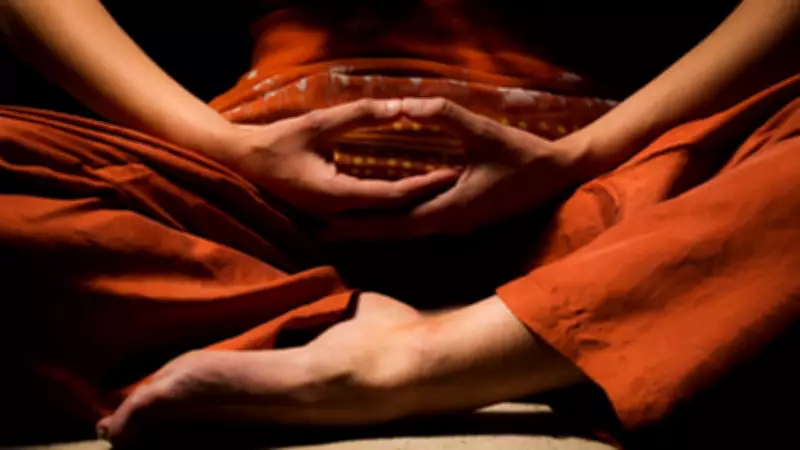
For many, the word yoga immediately brings to mind physical postures. Postures are visible, photograph well, and are easy to demonstrate. Mudras are different: they appear almost too simple, just a positioning of fingers and hands. No movement, no sweating, no athleticism. That simplicity is exactly why they are often overlooked.
More than just a hand gesture
Yogic classics define mudras as a way to influence the flow of energy within the human body. Different mudras are associated with objectives ranging from concentration and emotional balance to meditation and vitality. Whether explained through prana, mindfulness, body awareness, or neurophysiology, the underlying idea remains consistent: small actions can influence larger internal states. That idea feels surprisingly relevant today, as modern life becomes increasingly complex with fragmented attention and constant notifications.

Why mudras are finding relevance again
One reason may be practicality. Most people do not struggle because they lack wellness information; they struggle because they cannot sustain wellness routines. A practice requiring a dedicated hour every day often loses to real life. A practice that can travel with you has a better chance of surviving. Mudras fit into this category—they can be practised while travelling, during a break at work, while meditating, or during quiet moments before sleep.
According to wellness researcher Sidhharrth S Kumaar, "The biggest challenge in wellness today is not awareness. Most people know what they should do. The challenge is consistency. Practices that are simple enough to become part of everyday life often have the greatest long-term potential."
The benefits of yog mudras
According to Sidhharrth S Kumaar, "One of the primary reasons Yoga Mudras continue to remain relevant even today is that they address most common challenges people face in modern connected digital life. Regular mudra practice with better stress management, greater emotional stability, improved sleep quality, enhanced focus and concentration, and higher energy levels. While these benefits may vary from person to person, the simplicity of Yoga Mudras makes them an accessible tool for cultivating balance and well-being amidst the demands of daily life."
What research is beginning to explore
As interest in preventive wellness grows, researchers have started asking whether personalization matters as much as the practice itself. A study revealed that AI-personalized yoga mudra led to a 60.6% improvement in Quality of Life among participants. For Sidhharrth S Kumaar, Chief Researcher at NumroVani, who led the research, the broader takeaway extends beyond Yoga Mudras themselves: "For decades, wellness has largely followed a one-size-fits-all approach. Yet people are different. Their challenges are different. Their lifestyles are different. Increasingly, we are seeing evidence that personalization may be one of the most important frontiers in wellness."
He further adds that AI-powered personalization can incorporate astrology and numerology as cognitive markers to further the personalization lever, and that has also been part of this research in some cohorts.
The future may be less about more techniques
The wellness industry constantly searches for the next breakthrough—new technologies, new protocols, new interventions. Yet the future may not necessarily involve creating more wellness practices. It may involve understanding which wellness practice is most relevant for a particular individual at a particular point in time. That idea is not entirely new; traditional knowledge systems have spoken about individual differences for centuries. What is new is our ability to personalize at scale. As artificial intelligence and digital health tools continue to evolve, the conversation around wellness is likely to shift from "What works?" to "What works for whom?" That may prove to be a far more useful question.
Yoga is often associated with flexibility of the body. Its future may depend just as much on flexibility of approach.