Bees, bats, owls, ladybugs, earthworms, dragonflies, and snakes provide essential ecosystem services that help farmers reduce costs and improve harvests. These wild species pollinate crops, control pests naturally, and enhance soil health, often reducing the need for chemical inputs.
Bees: The Best Pollinators
Bees are the most recognized agricultural helpers. As they collect pollen and nectar, they pollinate fruits, vegetables, nuts, and oilseeds. Many crops depend heavily on bee pollination to produce high-quality yields. Healthy bee populations boost productivity and support biodiversity on farms.
Bats: Nature's Pest Controllers
Despite their negative reputation, bats provide valuable pest control. Many bat species consume insects such as moths and beetles that damage crops. By naturally regulating pest populations, bats reduce farmers' reliance on pesticides. Some bats also aid in pollination and seed dispersal, especially in tropical and subtropical regions.

Owls: Silent Guards of Farmlands
Owls are effective predators of rodents that destroy crops and contaminate grain stores. A single owl family can eat hundreds of rodents during a breeding season. Farmers increasingly install nest boxes to encourage owls to remain on their land, using them as a natural pest control solution.
Ladybugs: Small Helpful Insects
Ladybugs (ladybirds) and their larvae feed on aphids, mealybugs, scale insects, and other crop pests. One ladybug can eat dozens of aphids daily, preventing pest outbreaks. Farmers and gardeners often introduce ladybugs to manage pests without chemicals.
Earthworms: The Best Agricultural Workers Underground
Earthworms improve soil aeration, drainage, and root penetration by tunneling. Their digestion breaks down organic matter, releasing nutrients for plants. A healthy earthworm population is a sign of fertile soil, leading to better crop growth.
Dragonflies: Natural Enemies of Crop Pests
Dragonflies are efficient predators of mosquitoes, flies, and other insects harmful to crops. Both adults and larvae hunt pests in rice fields, ponds, and wetlands. This natural pest control reduces the need for insecticides.
Snakes: Unexpected Helpers in Agriculture
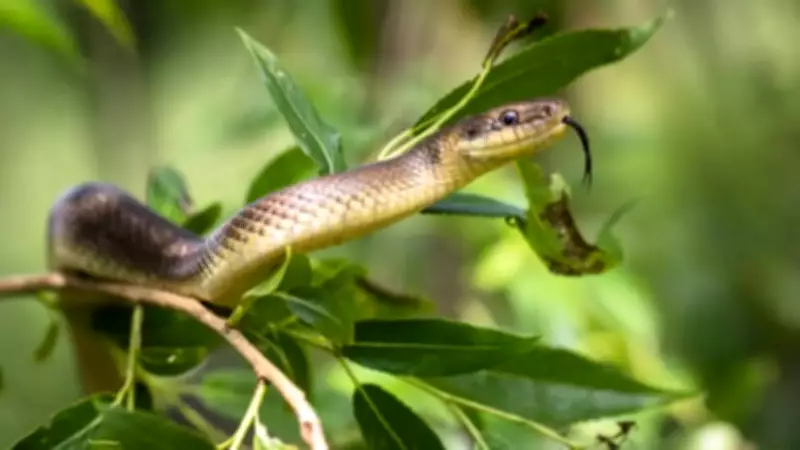
Non-venomous and some venomous snakes eat rats and mice that damage crops in fields and storage. Farmers in various regions now recognize the value of conserving native snake species for rodent control.