

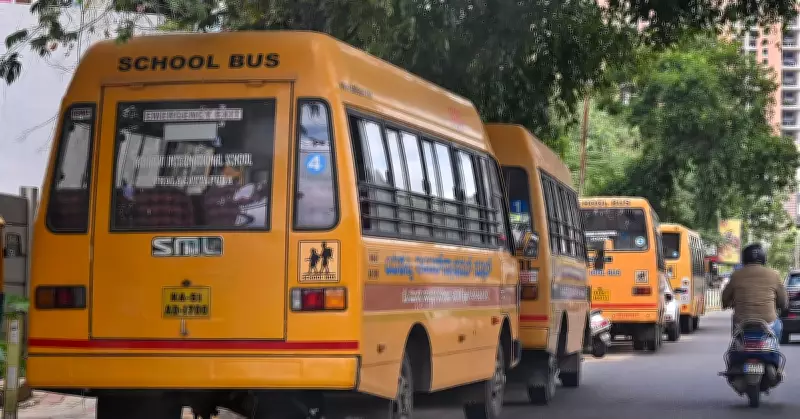
Bengaluru, once known for its sprawling farmlands, has witnessed a rapid transformation into a dense education hub, but this growth has come at a cost—severe traffic snarls. The area, particularly in the southern and eastern parts of the city, has seen a proliferation of schools and colleges, leading to gridlock during peak hours. According to local residents and commuters, the situation has worsened over the past five years, with travel times doubling.
From Farmland to Classrooms
The transformation began in the early 2000s when real estate developers started converting agricultural land into educational institutions. Today, the region hosts over 200 schools and 50 colleges within a 10-kilometer radius. This concentration has attracted families seeking quality education, but the infrastructure has not kept pace. A recent survey by the Bangalore Traffic Police indicated that vehicle density in the area has increased by 40% since 2018.
Daily Commute Nightmare
For parents and students, the daily commute has become a nightmare. Ramesh Kumar, a parent of two school-going children, said, "It takes me over an hour to drop my kids to school, which is just 5 kilometers away. The roads are choked with cars and buses from multiple institutions." Similarly, college students report missing classes due to unpredictable traffic jams. The peak congestion occurs between 7:30 AM and 9:00 AM and again from 3:00 PM to 5:00 PM.

Impact on Local Residents
Local residents are equally affected. Many complain about noise pollution and safety hazards, especially near narrow roads that were never designed for such heavy traffic. A resident association leader stated, "We have requested the civic authorities to widen roads and improve public transport, but little has been done." The issue has also led to increased air pollution, with particulate matter levels exceeding safe limits in some areas.
Calls for Better Planning
Urban planners and activists argue that the unchecked growth of educational institutions without corresponding infrastructure upgrades is unsustainable. They recommend staggered school timings, mandatory traffic management plans for new institutions, and investment in dedicated school buses. The Bangalore Development Authority has proposed a comprehensive mobility plan, but implementation remains slow.
Government Response
The Karnataka government has acknowledged the problem. In a recent statement, the Transport Minister said, "We are working on a multi-modal transport system that includes feeder buses and metro connectivity to ease congestion in educational hubs." However, no concrete timeline has been provided. Meanwhile, schools are being encouraged to adopt online classes for certain days to reduce traffic, but many parents prefer physical attendance for better learning outcomes.
Conclusion
As Bengaluru continues to grow, the balance between development and infrastructure remains fragile. The education hub's success story is now marred by traffic woes, affecting the very community it serves. Without urgent intervention, the situation may worsen, impacting both education quality and quality of life.






