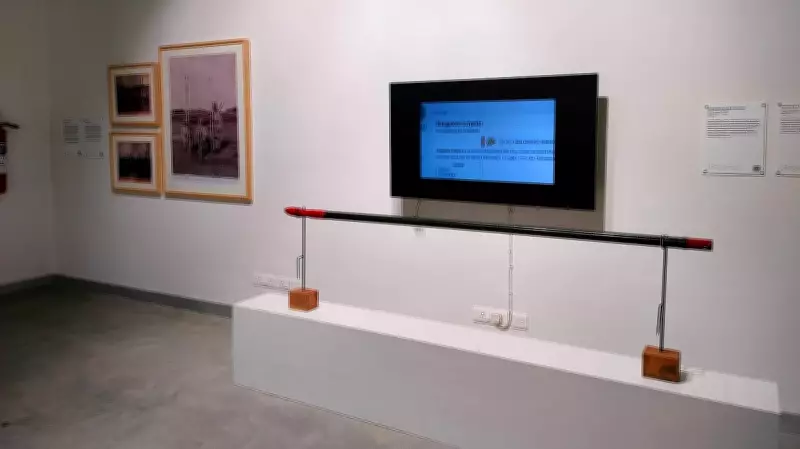
A military device developed in India played a crucial role in breaching enemy defences during World War I, with its origins traced back to Bengaluru. The innovation, known as the Bangalore Torpedo, was designed to clear barbed wire and mines, enabling infantry advances.
Origins and Development
The device was invented by Captain R.L. McClintock of the British Indian Army's Madras Sappers and Miners, based in Bengaluru. According to historical records, the torpedo consisted of a series of metal pipes filled with explosives, which could be assembled and pushed under obstacles. Its development was driven by the need to overcome static trench warfare.
Deployment in World War I
The Bangalore Torpedo was first used in 1912 during the Balkan Wars, but its widespread deployment occurred during WWI. It proved effective in breaching German wire entanglements, saving countless lives. A quote from a veteran's account notes: “The torpedo cleared a path through the wire, allowing our troops to advance without being cut down.”

Impact and Legacy
According to military historians, the device became standard equipment for Allied forces. Over 100,000 units were produced during the war. Its design influenced later demolition tools, and variants remain in use today. The Bangalore Torpedo exemplifies how engineering from Bengaluru contributed to global military tactics.