VAR: The Technology Behind the Whistle
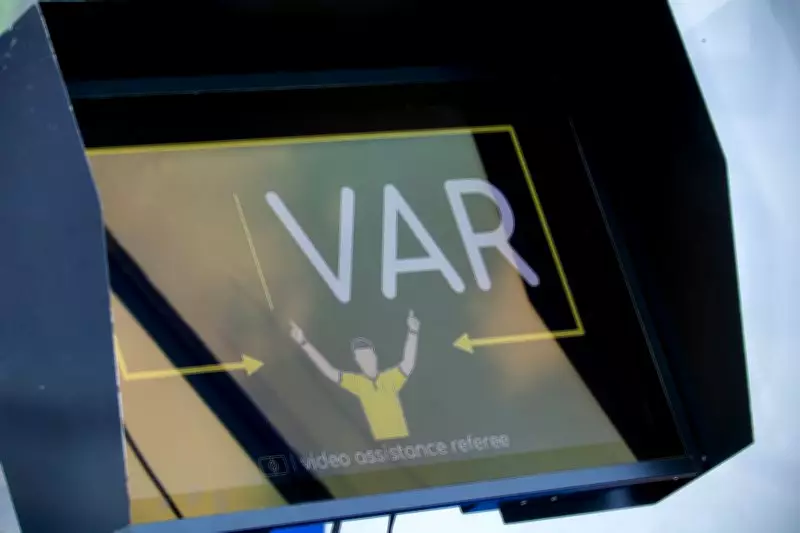
Video Assistant Referee (VAR) is a technological support system designed to assist on-field referees in correcting clear and obvious errors during football matches. Officially implemented by FIFA into the Laws of the Game in 2018, VAR acts as an extra set of eyes to ensure fairness in match-defining moments. The system consists of a team of top-tier match officials operating in a dedicated Video Operation Room (VOR), equipped with every broadcast camera angle, slow-motion replays, and advanced graphical tracking tools. Importantly, the VAR team does not make final decisions; the on-field referee remains the ultimate authority.
How VAR Works: Minimum Interference, Maximum Benefit
The VAR protocol operates under the philosophy of "minimum interference, maximum benefit." It can only intervene in four specific, match-changing situations: goals and offsides, penalty decisions, direct red cards, and mistaken identity. The process follows a three-step flow: the incident occurs, the VAR team automatically checks footage for errors in the background; if a clear error is spotted, the VAR communicates with the referee via headset recommending a review; the referee then either accepts the VAR's information for factual calls (like offsides) or visits the Referee Review Area (RRA) pitchside monitor to watch the replay and make the final decision.
The Purpose: Eliminate Error, Protect Integrity
FIFA introduced VAR with two primary objectives: to eliminate human error by correcting "clear and obvious" mistakes or missed serious incidents that can change match outcomes, and to protect sporting integrity by ensuring that critical outcomes like trophies, promotions, and relegations are decided fairly on the pitch rather than by refereeing blind spots.

Direct Impact on 2026 World Cup Matches
The current implementation has already significantly shaped the 2026 tournament, keeping the system at the center of global conversation. During Germany's Round of 16 clash against Paraguay, a crucial extra-time header by Jonathan Tah was wiped out following a VAR check because a teammate was caught committing a subtle, slow-motion foul on the goalkeeper moments prior. Pundits heavily criticized the call for being overly harsh, and Germany went on to be eliminated in a penalty shootout. Similar high-friction VAR interventions occurred during the U.S. vs Bosnia game and Belgium's late penalty win over Senegal, proving that even with smarter AI, human interpretation remains a massive flashpoint.
Argentina vs Egypt: The Biggest VAR Scandal
The Video Assistant Referee played a central, match-defining role during the Argentina vs Egypt Round-of-16 clash at the 2026 FIFA World Cup. Its exact interventions—and non-interventions—became the catalyst for the tournament's biggest officiating scandal. VAR enforced a microscopic rule review on one end to deny Egypt a 2-0 lead, and adhered to a high "clear and obvious" threshold on the other end to deny Egypt a late penalty. These decisions directly dictated the chronological momentum that allowed Argentina to complete their 3-2 survival story.