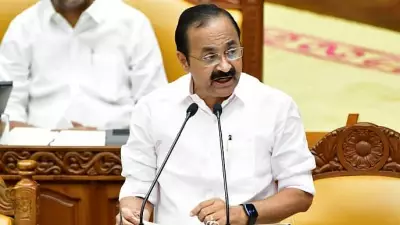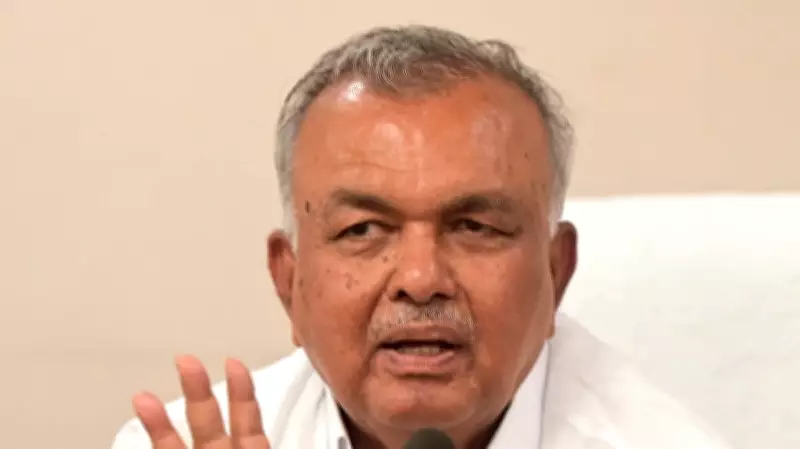
Karnataka Water Minister has firmly backed the Mekedatu Balancing Reservoir project, stating, 'We don't want even a single drop more' than what is allocated under the project. This statement comes in response to the Tamil Nadu government's renewed opposition to the dam.
Background of the Dispute
The Mekedatu project, proposed across the Cauvery river in Karnataka's Ramanagara district, aims to provide drinking water to Bengaluru and generate hydroelectric power. Tamil Nadu has consistently opposed the project, arguing it would violate the Cauvery Water Disputes Tribunal's final award and affect its water share.
Minister's Rebuttal
The Karnataka Water Minister emphasized that the state is not seeking any additional water beyond what is already allocated. 'Our demand is only for the water that is rightfully ours under the existing agreements. The Mekedatu project will not take a single drop more than what is permitted,' he said.

He further accused Tamil Nadu of politicizing the issue and urged the neighboring state to cooperate for the benefit of both regions. 'This project is essential for Bengaluru's water needs and will not harm Tamil Nadu's interests,' the minister added.
Legal and Political Implications
The dispute over the Mekedatu dam has been a long-standing issue between the two states. Karnataka has sought approval from the Cauvery Water Management Authority (CWMA) and the Supreme Court to proceed with the project. Tamil Nadu has filed objections, claiming the project would reduce water flow to its farmers.
Political leaders from both states have weighed in, with Karnataka's ruling party supporting the project as a necessity for urban development, while Tamil Nadu's leaders call it a threat to agriculture.
Way Forward
The matter is currently pending before the Supreme Court, which is expected to hear the case later this year. The Karnataka government remains optimistic that the project will be cleared, citing its compliance with all legal norms and environmental safeguards.
Water experts suggest that a negotiated settlement between the two states is the only sustainable solution. 'Both states need to sit together and resolve this through dialogue rather than litigation,' said a senior water management expert.