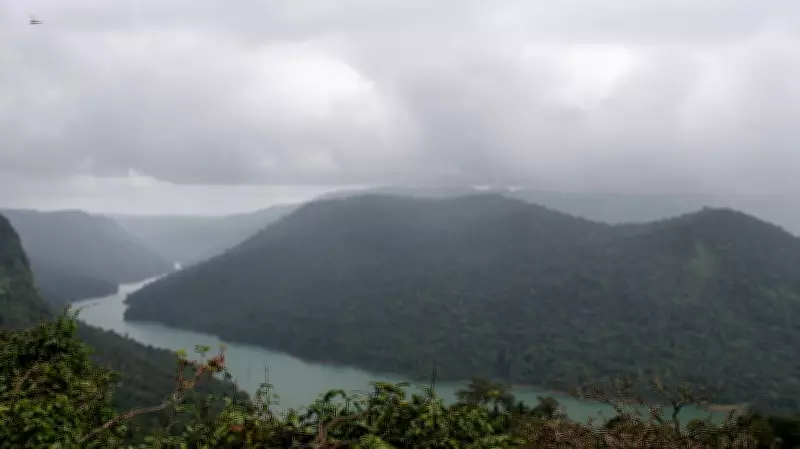
Central Empowered Committee to Inspect Sharavathi Power Project Site
The Central Empowered Committee (CEC) has announced a site inspection of the proposed 2000 MW Sharavathi power project, which is slated to be developed across 133.81 acres of forest land spanning the Shivamogga and Uttara Kannada districts of Karnataka. The inspection comes amid growing concerns over the project's potential impact on the region's rich biodiversity, particularly the endangered lion-tailed macaque population.
Project Details and Environmental Concerns
The Sharavathi power project, once completed, is expected to generate 2000 megawatts of electricity. However, environmentalists and wildlife conservationists have raised alarms about its location within a critical forest area that serves as a primary habitat for the lion-tailed macaque (Macaca silenus), a primate species listed as endangered on the IUCN Red List. The forest area in question supports a significant majority of the remaining population of these monkeys, making the project a major threat to their survival.
The CEC, a statutory body appointed by the Supreme Court of India to oversee forest and environmental compliance, will conduct a thorough assessment of the site. The inspection aims to evaluate the ecological sensitivity of the area and verify claims regarding the extent of forest land required for the project. This step is crucial in determining whether the project can proceed with appropriate mitigation measures or if it should be relocated to a less ecologically sensitive zone.

Stakeholder Reactions and Next Steps
Local environmental groups and wildlife activists have welcomed the CEC's decision, urging the committee to consider the long-term ecological consequences. They argue that the project could lead to irreversible damage to the habitat of not only the lion-tailed macaque but also other endemic species in the Western Ghats, a UNESCO World Heritage Site. The Karnataka government, which supports the project for its power generation potential, has stated it will cooperate fully with the CEC's investigation.
The inspection is expected to take place in the coming weeks, following which the CEC will submit a detailed report to the Supreme Court. The court will then decide on the project's fate based on the findings, balancing energy needs with environmental protection. This case highlights the ongoing conflict between development and conservation in India, particularly in ecologically fragile regions like the Western Ghats.