China Exposes U.S. THAAD Missile Defense Deployment in Jordan via Satellite Imagery
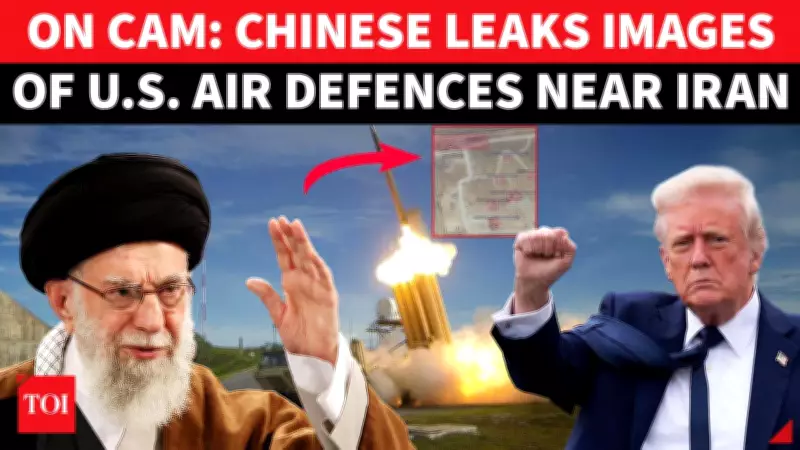
In a significant development with far-reaching geopolitical implications, Chinese commercial satellite imagery has publicly revealed the deployment of a U.S. Army Terminal High Altitude Area Defense (THAAD) system at Jordan's Muwaffaq Salti Air Base. This revelation exposes a critical American missile shield asset positioned within strategic proximity to Iran, raising serious questions about intelligence security and regional power dynamics.
Strategic Positioning of U.S. Missile Defense
The Muwaffaq Salti Air Base has increasingly emerged as one of Washington's most significant forward operating locations in the Middle East amid escalating tensions with Tehran. The THAAD system represents America's premier missile defense technology, designed to intercept and destroy short, medium, and intermediate-range ballistic missiles during their terminal phase of flight. Its deployment in Jordan places this advanced defensive capability just hundreds of miles from Iranian territory, creating a substantial deterrent against potential missile threats from the Islamic Republic.
The timing of this satellite imagery publication coincides with unconfirmed reports of Chinese naval deployments near the Persian Gulf, fueling widespread speculation about potential intelligence coordination between Beijing and Tehran. This convergence of events suggests a possible strategic partnership aimed at countering American military presence in the region.

Geopolitical Ramifications and Regional Tensions
The public exposure of U.S. military assets through commercial satellite technology represents a new frontier in intelligence warfare. China's ability to capture and disseminate such sensitive imagery demonstrates the growing capability of commercial space-based surveillance systems to monitor military movements with unprecedented clarity and timeliness.
This development occurs against a backdrop of heightened regional tensions, with the United States and Iran engaged in a prolonged standoff over nuclear negotiations, regional influence, and security concerns. The THAAD deployment in Jordan underscores Washington's commitment to protecting regional allies and maintaining military superiority in the strategically vital Middle East.
The revelation has sparked intense debate among defense analysts regarding the implications for:
- U.S. military operational security in the region
- China's expanding intelligence capabilities through commercial space assets
- Iran's potential access to sensitive American military positioning information
- The evolving nature of modern intelligence gathering and dissemination
Broader Context of U.S.-China Strategic Competition
This incident represents another dimension of the ongoing strategic competition between the United States and China, extending beyond traditional diplomatic and economic spheres into the realm of military intelligence and space-based surveillance. The use of commercial satellite technology to expose military deployments marks a significant evolution in how nations can leverage ostensibly civilian assets for strategic advantage.
As tensions continue to simmer in the Middle East, with multiple flashpoints threatening regional stability, the exposure of American missile defense positions adds another layer of complexity to an already volatile security environment. The incident highlights how technological advancements in satellite imagery and commercial space operations are reshaping traditional concepts of military secrecy and strategic surprise.
The international community will be closely monitoring how this revelation affects diplomatic relations between the involved nations and whether it leads to adjustments in military posturing or intelligence-sharing protocols among global powers with interests in the Middle East.