Iran, Russia, and China Conduct Joint Naval Exercises in Gulf of Oman Amid Rising Tensions
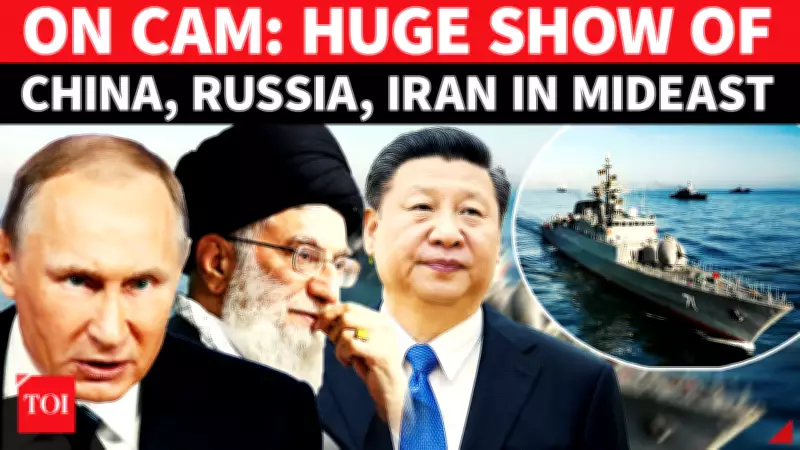
In a significant display of military cooperation, Russia, China, and Iran have launched high-intensity joint naval drills in the Gulf of Oman and the northern Indian Ocean. This exercise, known as the Maritime Security Belt, is taking place near the strategically vital Strait of Hormuz, a critical chokepoint for global oil transportation. The drills involve warships, aircraft, and coordinated maneuvers, underscoring a deepening alignment among these nations in one of the world's most sensitive maritime regions.
Strategic Implications of the Naval Drills
The timing of these exercises is particularly noteworthy, as they unfold parallel to ongoing US-Iran nuclear negotiations and an increased US military presence in the Middle East. By conducting these drills, Iran, Russia, and China are sending a clear strategic message about their collective maritime capabilities and willingness to challenge Western influence in the area. The convergence of naval assets in such a volatile waterway raises the stakes for regional security and global energy flows, potentially reshaping the geopolitical landscape.
Key aspects of the drills include:

- Enhanced interoperability among the naval forces of Iran, Russia, and China, demonstrating their ability to operate jointly in complex environments.
- A focus on maritime security operations, which may involve anti-piracy, search and rescue, and defense exercises to project power and protect interests.
- The location near the Strait of Hormuz, through which approximately one-fifth of the world's oil passes, highlighting the economic and strategic importance of the region.
Broader Geopolitical Context and Reactions
This military collaboration occurs against a backdrop of heightened global tensions, with the United States bolstering its forces in the Middle East and engaging in diplomatic efforts with Iran. The joint drills are seen as a counterbalance to US influence, reflecting a shift towards multipolar power dynamics in maritime affairs. Analysts suggest that such exercises could escalate if not managed carefully, given the proximity to vital shipping lanes and existing conflicts in the region.
Potential outcomes and observations:
- The drills may strengthen military ties between Iran, Russia, and China, leading to more frequent joint operations and shared strategic objectives.
- They could influence US foreign policy and military deployments, prompting reassessments of security strategies in the Gulf and Indian Ocean regions.
- There is a risk of increased maritime incidents or misunderstandings, as multiple naval powers operate in close quarters, potentially raising the likelihood of confrontations.
As these developments unfold, the international community is closely monitoring the situation, with concerns about how this alignment might impact global stability and energy security. The joint naval exercises serve as a stark reminder of the evolving power dynamics at sea, where traditional alliances are being tested and new partnerships are emerging in response to shifting geopolitical realities.