

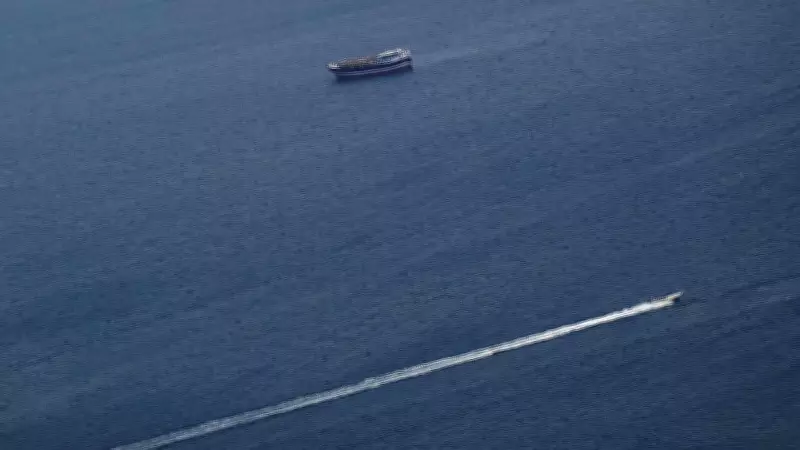
Iran Issues Stern Warning to Ships in Strait of Hormuz
In a significant escalation of tensions, Iran has vowed to attack any ship that attempts to pass through the strategic Strait of Hormuz. This warning, delivered on Saturday, represents the most explicit threat from Tehran since it announced the closure of this critical export route.
Potential Impact on Global Oil Markets
The Strait of Hormuz is a vital maritime chokepoint, through which approximately one-fifth of the world's oil flows. Iran's aggressive stance threatens to severely disrupt these supplies, potentially sending crude oil prices sharply higher. Such a scenario could have far-reaching consequences for the global economy, affecting everything from transportation costs to inflation rates.
This development follows Iran's initial announcement on Saturday that it was closing the export route. The latest warning underscores Tehran's determination to enforce its maritime claims, raising the stakes in an already volatile region.

International Concerns and Reactions
The international community is closely monitoring the situation, as any military action in the Strait of Hormuz could trigger a broader conflict. Key stakeholders, including major oil-consuming nations and shipping companies, are assessing the risks and preparing contingency plans.
The timing of Iran's warning is particularly concerning, given ongoing geopolitical tensions and the fragile state of global energy markets. Analysts warn that a prolonged disruption could lead to significant economic instability worldwide.
Historical Context and Strategic Importance
The Strait of Hormuz has long been a flashpoint in international relations due to its strategic importance. It serves as the primary passage for oil exports from the Middle East to global markets, making it a critical artery for the world's energy supply.
- Iran's latest threat is seen as a direct challenge to international maritime norms.
- The potential for military confrontation has increased, with implications for regional security.
- Oil-dependent economies are bracing for possible supply shocks and price volatility.
As the situation unfolds, the world watches anxiously, aware that any escalation could have profound and immediate effects on global trade and energy security.






