Iranians Take to Streets in Widespread Mourning for Supreme Leader Ayatollah Khamenei
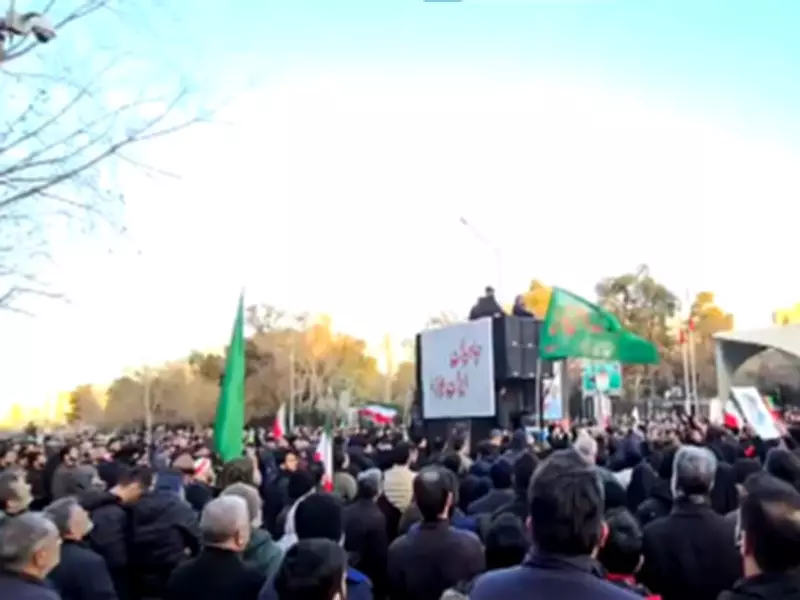
In a significant display of public sentiment, Iranians have flooded the streets across the country to mourn the killing of Supreme Leader Ayatollah Ali Khamenei. The spontaneous gatherings, reported from major cities to smaller towns, reflect a deep emotional response to the sudden loss of the nation's highest religious and political authority.
Nationwide Outpouring of Grief and Solidarity
Eyewitness accounts describe large crowds assembling in public squares, with many participants chanting slogans and carrying images of Ayatollah Khamenei. The demonstrations, while primarily peaceful, have drawn attention to the complex political landscape in Iran, where the Supreme Leader holds immense influence over state affairs and religious directives.
Security measures have been intensified in response to the gatherings, with authorities deploying additional forces to maintain order. Despite this, the protests have continued unabated, highlighting the profound impact of Ayatollah Khamenei's death on the Iranian populace.

Historical Context and Immediate Reactions
Ayatollah Khamenei, who succeeded Ayatollah Ruhollah Khomeini in 1989, served as Supreme Leader for over three decades, shaping Iran's domestic and foreign policies. His tenure was marked by periods of tension with Western nations, particularly over nuclear programs and regional conflicts.
The killing has sparked not only mourning but also discussions about Iran's future leadership. Analysts note that the Supreme Leader's role is crucial in the country's governance structure, and his absence could lead to political uncertainty. In the streets, however, the focus remains on collective grief, with many Iranians expressing personal loss and national solidarity.
Global Implications and Regional Dynamics
This event occurs against a backdrop of ongoing regional instability, including conflicts in the Middle East and diplomatic challenges. The mourning protests may influence Iran's internal stability and its interactions with neighboring countries and international actors.
- Increased security presence in urban centers
- Emotional scenes of public mourning and tribute
- Potential shifts in Iran's political landscape post-Khamenei
- International monitoring of the situation for broader implications
As the protests unfold, they underscore the deep-seated connections between Iran's leadership and its citizens, while raising questions about the path forward for the Islamic Republic. The world watches closely as Iran navigates this period of transition and public expression.