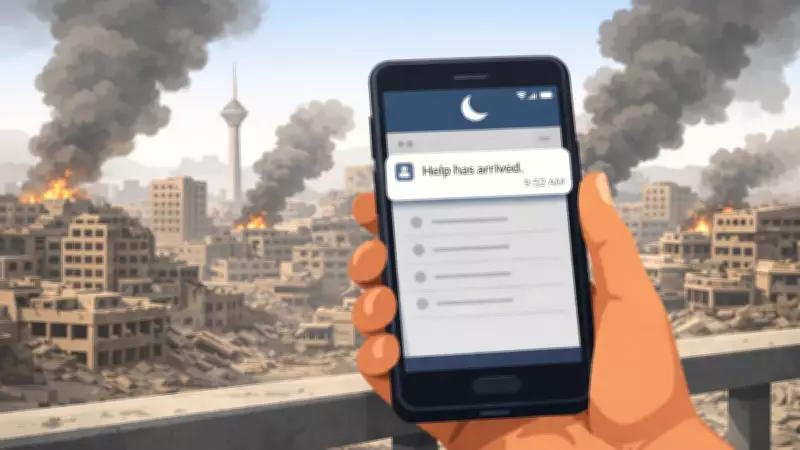
Israel's Cyber Operation Targets Iranian Prayer App with Disarmament Messages
In a bold and unconventional cyber maneuver, Israel is reported to have successfully hacked a widely used prayer application in Iran, utilizing its platform to disseminate messages urging Iranian citizens to lay down their arms. This incident highlights the escalating digital warfare tactics employed in the volatile Middle East region, where traditional conflicts are increasingly supplemented by sophisticated technological interventions.
Details of the Alleged Cyber Attack
The targeted application, which serves as a digital tool for daily prayers and religious observances, boasts a substantial user base across Iran. According to sources, Israeli operatives infiltrated the app's security protocols, gaining unauthorized access to its communication channels. Once inside, they deployed automated messages that directly appealed to users, calling for a cessation of hostilities and advocating for peace through disarmament.
This cyber operation is not merely a technical breach but a psychological strategy aimed at influencing public sentiment within Iran. By exploiting a platform associated with spirituality and community, the attackers sought to deliver their message in a context that resonates deeply with Iranian society, potentially undermining support for militant activities.

Regional Implications and Responses
The hack occurs against a backdrop of heightened tensions between Israel and Iran, with both nations engaged in a protracted shadow war involving cyber attacks, espionage, and proxy conflicts. Iranian officials have condemned the intrusion as a violation of sovereignty and an act of aggression, vowing to enhance their cybersecurity measures in response. Meanwhile, Israel has not officially claimed responsibility, maintaining its typical policy of ambiguity regarding such operations.
Experts in international relations and cybersecurity suggest that this incident could set a precedent for future conflicts, where digital platforms become battlegrounds for ideological and political influence. The use of a prayer app underscores the blurring lines between civilian and military targets in modern warfare, raising ethical questions about the exploitation of religious tools for geopolitical ends.
Broader Context of Cyber Warfare
This event is part of a larger pattern of cyber engagements between Israel and Iran. Over the years, both countries have accused each other of orchestrating attacks on critical infrastructure, nuclear facilities, and public services. The prayer app hack represents a shift towards more nuanced, soft-power tactics that aim to sway public opinion rather than cause physical damage.
As nations worldwide grapple with the challenges of digital security, this case serves as a stark reminder of the vulnerabilities inherent in widely used applications. It also highlights the need for robust encryption and vigilant monitoring to protect against state-sponsored intrusions that exploit trust and community networks for strategic purposes.