

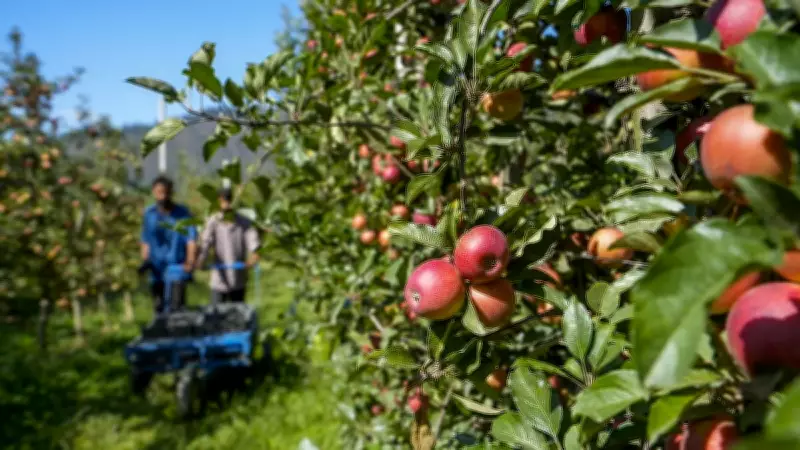
Kashmir's Record Warmth Threatens Orchards, Water Supply, and Livelihoods
Daytime temperatures across the Kashmir Valley are currently soaring around 9 to 10 degrees Celsius above normal, shattering decades-old climatic norms and creating a severe environmental and economic crisis. This unprecedented warmth, recorded in early March 2026, is putting critical resources like orchards and water supplies at significant risk, directly threatening the livelihoods of local communities.
Unprecedented Temperature Surge
The Valley is experiencing a dramatic and alarming spike in temperatures, with readings far exceeding historical averages for this time of year. This record warmth represents a stark deviation from typical climatic patterns, indicating a profound shift in regional weather conditions. Meteorologists and climate scientists are closely monitoring the situation, noting that such anomalies could have long-lasting impacts on the fragile ecosystem of Jammu and Kashmir.
Impact on Orchards and Agriculture
The soaring temperatures pose a direct and immediate threat to Kashmir's renowned orchards, which are a cornerstone of the local economy. Premature blooming of fruit trees, triggered by the unseasonable heat, makes them vulnerable to potential late frosts, which could devastate crops like apples, cherries, and almonds. This disruption in the agricultural cycle jeopardizes the income of thousands of farmers and could lead to significant economic losses for the region.

Water Resources Under Strain
Water resources in Kashmir are also facing severe strain due to the record warmth. Accelerated snowmelt in the Himalayas, caused by the high temperatures, is depleting natural reservoirs and reducing water availability for irrigation and domestic use. This situation raises concerns about potential water shortages in the coming months, affecting not only agriculture but also daily life and hydropower generation in the area.
Livelihoods at Risk
The combined impact on orchards and water resources puts the livelihoods of countless residents in jeopardy. Communities dependent on farming, horticulture, and related industries are particularly vulnerable. Economic instability looms as crop yields may decline, and water scarcity could disrupt various sectors, from tourism to small-scale manufacturing, further exacerbating the region's challenges.
Broader Climate Implications
This event in Kashmir is a stark reminder of the broader implications of climate change. It highlights how shifting weather patterns can disrupt traditional ways of life and strain natural resources. Experts warn that without adaptive measures and global efforts to mitigate climate change, such extreme temperature anomalies may become more frequent, posing ongoing risks to regions like Kashmir and beyond.






