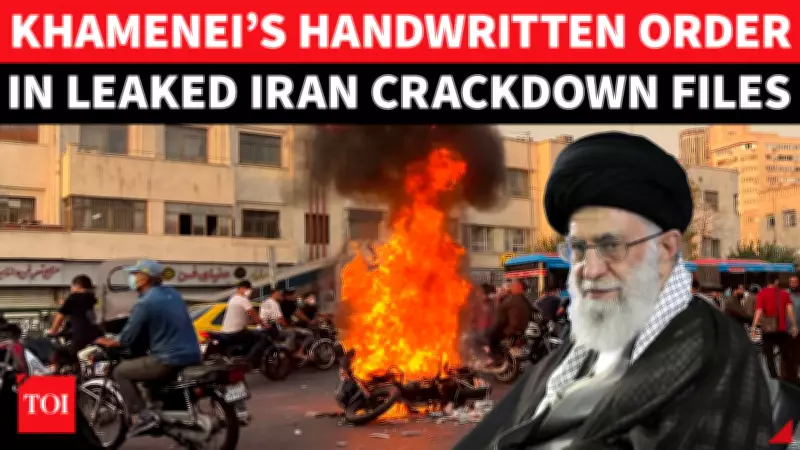
Iran's Secret 'FINISH RIOTS' Blueprint Leaked; IRGC Ordered To Crush Protests With Force
Leaked documents have exposed a secret blueprint allegedly approved by Iran's Supreme Leader Ayatollah Ali Khamenei, outlining the regime's strategy to suppress nationwide protests. The files provide a rare glimpse into Tehran's internal plans to maintain power during periods of unrest, detailing escalating security measures and the use of lethal force.
Details of the Leaked Blueprint
The leaked documents reveal a comprehensive plan that includes several key phases of security escalation. According to the files, the Islamic Revolutionary Guard Corps (IRGC) was granted command authority to implement these measures, which involve:
- Lethal force deployment against protesters to quickly quell demonstrations.
- Mass surveillance operations to monitor and track dissent across the country.
- Internet shutdowns aimed at disrupting communication and organizing efforts among activists.
This blueprint, dubbed the 'FINISH RIOTS' plan, highlights the regime's preparedness to use extreme measures to retain control. The documents suggest that the strategy was designed to be implemented in stages, with each phase increasing the intensity of the response to protests.

Implications for Iran's Internal Politics
The leak offers unprecedented insight into how Iran's leadership approaches domestic dissent. By authorizing the IRGC to take command, the blueprint underscores the military's central role in internal security matters. This move aligns with historical patterns where the IRGC has been instrumental in suppressing protests, but the detailed planning revealed here shows a more systematic approach.
Experts note that such leaks are rare and could have significant repercussions for Iran's international standing. The revelation of mass surveillance and internet shutdowns may draw criticism from human rights organizations and foreign governments, potentially impacting diplomatic relations.
Broader Context of Regional Tensions
This development comes amid ongoing regional tensions, including Iran's nuclear talks with the US and conflicts in the Middle East. The leaked blueprint may influence how other countries perceive Iran's domestic stability and its ability to manage internal challenges while engaging in external negotiations.
As protests have periodically erupted in Iran over economic and political issues, this leaked plan sheds light on the regime's contingency strategies. It raises questions about the balance between security and civil liberties in the country, and how such measures might affect future unrest.
The documents serve as a stark reminder of the lengths to which the Iranian government is willing to go to maintain order, highlighting the complex dynamics of power and resistance in the region.