

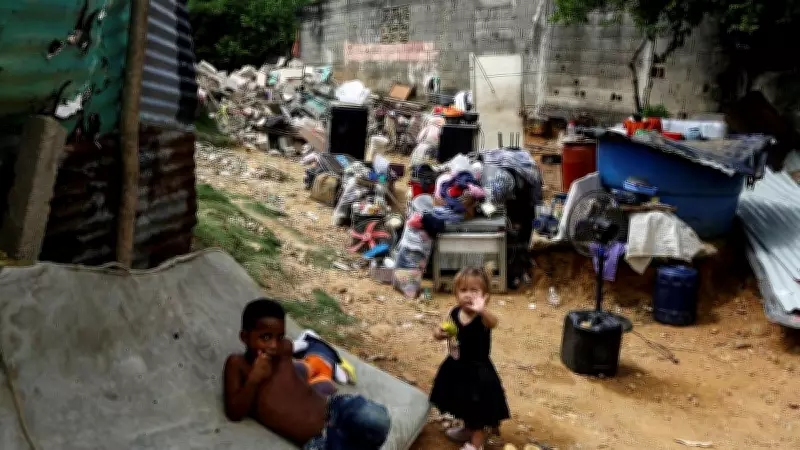
Many Venezuelans spent a second consecutive night sleeping in streets, plazas, and cars after back-to-back earthquakes on Wednesday destroyed at least 250 buildings and left nearly 3,000 families homeless, according to local authorities.
Quakes Cause Widespread Destruction
The first earthquake, magnitude 6.8, struck early Wednesday morning, followed by a second tremor of magnitude 6.0 hours later. The quakes caused structural failures across several states, including the capital Caracas, where dozens of buildings collapsed or were deemed unsafe.
Civil Protection officials reported that at least 12 people were killed and more than 100 injured. Rescue teams continued to search through rubble for survivors on Thursday.

Displaced Families Seek Shelter
With homes destroyed or structurally compromised, families set up makeshift camps in open areas. Many residents expressed fear of aftershocks and refused to return indoors. “We have nowhere to go. Our house is gone, and we are afraid to stay inside any building,” said Maria Rodriguez, a displaced resident from Caracas.
Government officials announced temporary shelters were being established in schools and sports centers, but many residents reported a lack of supplies and overcrowding.
Government Response and Aid
President Nicolas Maduro declared a state of emergency in the affected regions and mobilized the military to assist in relief efforts. International aid offers have begun to arrive, with neighboring countries sending search teams and supplies.
The United Nations has pledged support, and the Red Cross is providing medical assistance and distributing food and water. However, logistical challenges in reaching remote areas have slowed the response.
Seismic Activity and Preparedness
Venezuela lies in a seismically active zone near the Caribbean and South American tectonic plate boundaries. Experts warn that aftershocks are likely in the coming days and urge residents to remain cautious. The disaster has highlighted the country's vulnerability due to a lack of infrastructure maintenance and limited emergency preparedness resources.






