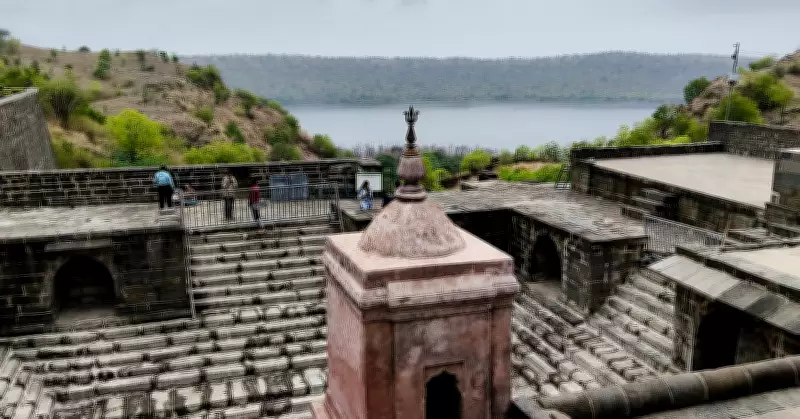
Rising Water Level in Lonar Crater Lake Sparks Ecological Worry
The Lonar crater lake, located in Buldhana district of Maharashtra's Vidarbha region, is experiencing a significant rise in its water level, raising concerns among environmentalists and local authorities. The lake, formed by a meteorite impact around 50,000 years ago, is known for its unique saline and alkaline water ecosystem. According to reports, the water level has increased by nearly 2 meters over the past year, threatening the delicate balance of the lake's biodiversity.
What Is Happening to Lonar Lake?
The rising water level has been observed since the 2024 monsoon season, with continuous rainfall and inflow from nearby catchment areas contributing to the change. Local officials from the Maharashtra Forest Department have noted that the lake's depth, which typically ranges from 5 to 10 meters, has exceeded normal levels. "The water level has risen by approximately 1.8 meters compared to the same period last year," said a forest department official. This has led to submergence of surrounding vegetation and alteration of the lake's salinity, which is critical for the survival of endemic microbial life and migratory birds.
Impact on Ecosystem and Biodiversity
The Lonar crater lake is a designated Ramsar site, recognized for its international importance as a wetland. It hosts a variety of microorganisms, algae, and bird species, including flamingos and cranes. The dilution of the lake's saline water due to freshwater influx can disrupt the habitat of these species. Environmental scientist Dr. Anjali Deshmukh stated, "The change in water chemistry could lead to a decline in the population of halophilic bacteria and algae, which form the base of the food chain. This may affect the entire ecosystem." Additionally, the rising water level has submerged nesting sites of birds, potentially impacting breeding cycles.

Authorities Respond to the Situation
The Maharashtra government has initiated steps to monitor the situation. The forest department has set up water level gauges and is conducting regular sampling of water quality. A committee of experts from the Geological Survey of India and local universities has been formed to study the causes and suggest mitigation measures. "We are assessing whether the rise is a temporary phenomenon linked to heavy rainfall or part of a long-term trend due to climate change," said a senior official from the state environment department. Community awareness programs are also being planned to prevent further encroachment and pollution in the catchment area.
Historical Significance and Ongoing Mysteries
Lonar lake has intrigued scientists for decades. It is one of the few hyper-velocity impact craters in basaltic rock on Earth. The lake's water is both saline and alkaline, with pH levels ranging from 10 to 11. The recent water level rise adds to the mysteries surrounding the site. Some researchers speculate that underground springs or changes in groundwater flow may be contributing factors. A study published in 2023 indicated that the lake's water level has fluctuated historically, but the current rise is unprecedented in recent decades.
Future Outlook and Conservation Efforts
Conservationists urge immediate action to protect the lake's unique ecology. Proposed measures include constructing check dams to control inflow, restoring natural drainage, and limiting human activities near the lake. The state government has allocated funds for a comprehensive conservation plan. "We must act now to preserve this natural wonder for future generations," emphasized Dr. Deshmukh. The situation remains under watch, with authorities hopeful that timely interventions can mitigate the impact.