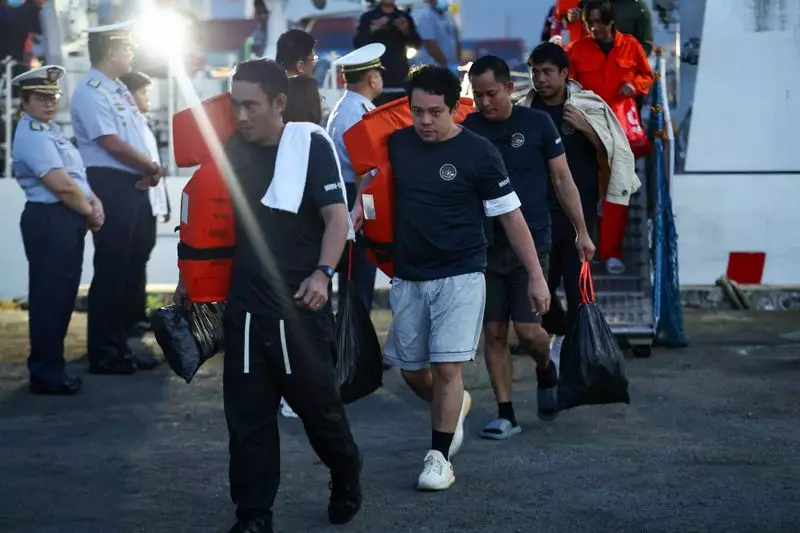
Philippines Ferry Disaster Claims 15 Lives, 316 Passengers Rescued in Major Maritime Emergency
A devastating ferry disaster has struck the Philippines, resulting in the tragic loss of at least 15 lives, while rescue teams successfully saved 316 passengers in a large-scale maritime emergency. The incident has sent shockwaves through the region, highlighting critical concerns about sea travel safety and emergency response protocols in the archipelago nation.
Details of the Ferry Tragedy and Rescue Efforts
The ferry, which was carrying a significant number of passengers, encountered severe difficulties leading to the disaster. Initial reports indicate that the vessel faced operational challenges, though the exact cause of the accident is still under investigation by maritime authorities. The rescue operation was swiftly launched, involving multiple agencies and local communities, who worked tirelessly to save lives amidst challenging conditions.
Emergency responders and coast guard units played a pivotal role in the successful evacuation of 316 individuals, many of whom were transported to nearby medical facilities for treatment and assessment. The scale of the rescue effort underscores the importance of coordinated disaster response in maritime environments, particularly in a country like the Philippines, which relies heavily on ferry services for inter-island transportation.

Impact and Ongoing Investigations
The tragedy has left families grieving and communities in mourning, with local officials expressing condolences and pledging support for the affected. This incident raises urgent questions about ferry safety standards, overcrowding issues, and adherence to maritime regulations, which are crucial for preventing such disasters in the future. Philippine authorities have announced a thorough investigation to determine the root causes and identify any lapses in safety protocols.
In the aftermath, there are calls for enhanced safety measures, including better vessel maintenance, stricter passenger capacity enforcement, and improved emergency preparedness. The disaster serves as a stark reminder of the risks associated with sea travel in regions prone to maritime accidents, emphasizing the need for continuous vigilance and regulatory oversight.
As recovery efforts continue, the focus remains on providing aid to survivors and the families of the deceased, while also implementing lessons learned to bolster maritime safety across the Philippines and similar regions globally.