India's monsoon, the lifeblood of its agriculture and economy, is undergoing significant changes due to climate change. The traditional patterns of rainfall are becoming increasingly erratic, leading to a rise in extreme weather events such as floods and droughts. This shift poses serious risks to the country's food security, water resources, and overall economic stability.
Changing Monsoon Patterns
Recent studies indicate that the Indian monsoon is becoming more variable. The number of days with heavy rainfall is increasing, while the total number of rainy days is decreasing. This means that the same amount of rain is falling in fewer, more intense bursts, leading to flash floods and soil erosion. Conversely, prolonged dry spells are becoming more common, causing drought conditions in many regions.
According to the Indian Meteorological Department (IMD), the frequency of extreme rainfall events has risen by about 80% in central India over the past 50 years. Meanwhile, the southwest monsoon, which brings rain to most of the country from June to September, has shown a significant decline in overall precipitation in some areas.

Impacts on Agriculture
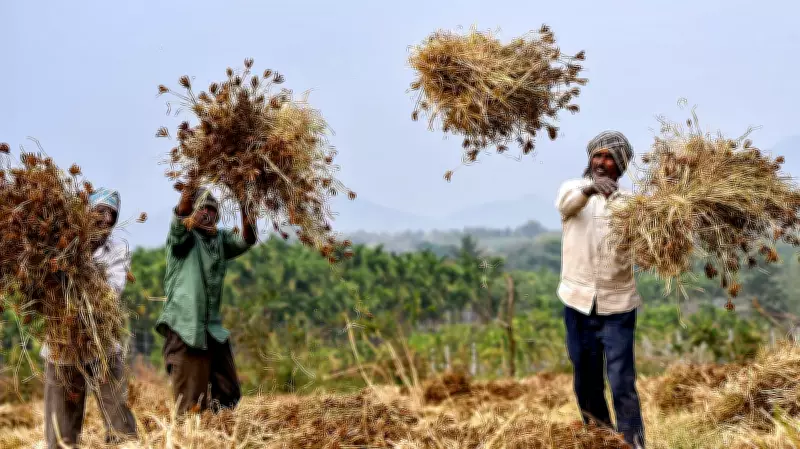
Agriculture, which employs over half of India's workforce, is highly dependent on the monsoon. Erratic rainfall patterns have led to crop failures, reduced yields, and increased distress among farmers. The kharif season, which relies on monsoon rains for sowing and growth, has become particularly unpredictable. Farmers often face the dilemma of delayed sowing due to late rains or crop damage from excessive downpours.
To cope with these challenges, many farmers are turning to groundwater irrigation, which is depleting aquifers at an alarming rate. This unsustainable practice further exacerbates water scarcity and increases the cost of farming.
Economic and Social Consequences
The changing monsoon has far-reaching economic implications. Agriculture contributes about 15% to India's GDP, and disruptions in the sector can lead to inflation, reduced rural incomes, and increased poverty. The insurance sector also faces higher claims due to crop losses.
Socially, the unpredictability of the monsoon forces migration from rural to urban areas as people seek alternative livelihoods. This puts additional pressure on urban infrastructure and services.
Adaptation and Mitigation Strategies
To address these challenges, India needs a multi-pronged approach. Improving weather forecasting and early warning systems can help farmers make informed decisions. The government has launched initiatives like the 'National Mission for Sustainable Agriculture' to promote climate-resilient farming practices.
Water management is crucial. Rainwater harvesting, watershed development, and efficient irrigation techniques can reduce dependence on groundwater. Dams and reservoirs need to be managed better to balance flood control and water storage.
Afforestation and conservation of wetlands can help regulate local climates and reduce the impact of extreme weather. Additionally, promoting crop diversification and insurance schemes can provide a safety net for farmers.
Long-term Solutions
Addressing the root cause of climate change is essential. India has committed to reducing its carbon emissions and increasing renewable energy capacity. The target of 500 GW of non-fossil fuel capacity by 2030 is a step in the right direction.
International cooperation is also vital. India participates in global forums like the Intergovernmental Panel on Climate Change (IPCC) to share knowledge and collaborate on mitigation strategies.
The changing monsoon is a stark reminder of the urgent need to adapt to a warming world. While the challenges are immense, proactive measures can help India build resilience and safeguard its future.