Iran Escalates Conflict with Missile Strikes on Israel and Gulf Nations
In a dramatic escalation of hostilities in the Middle East, Iran has launched a significant missile barrage targeting Israel and several Gulf states. This aggressive military action comes as a direct response to a recent US-Israeli strike that resulted in the death of Iran's Supreme Leader, Ayatollah Ali Khamenei. The incident marks a severe intensification of regional tensions, raising fears of a broader conflict involving multiple nations.
Retaliation for Khamenei's Death
The missile attacks were confirmed by Iranian military officials, who stated that the strikes were a retaliatory measure for the assassination of Khamenei. The US-Israeli operation, which targeted a high-profile location in Iran, has been described as a preemptive action against perceived threats. However, Iran has condemned it as an act of aggression, vowing swift and severe consequences. The death of Khamenei, a pivotal figure in Iranian politics and regional influence, has sent shockwaves through the country, prompting this forceful military response.
Targets and Regional Impact
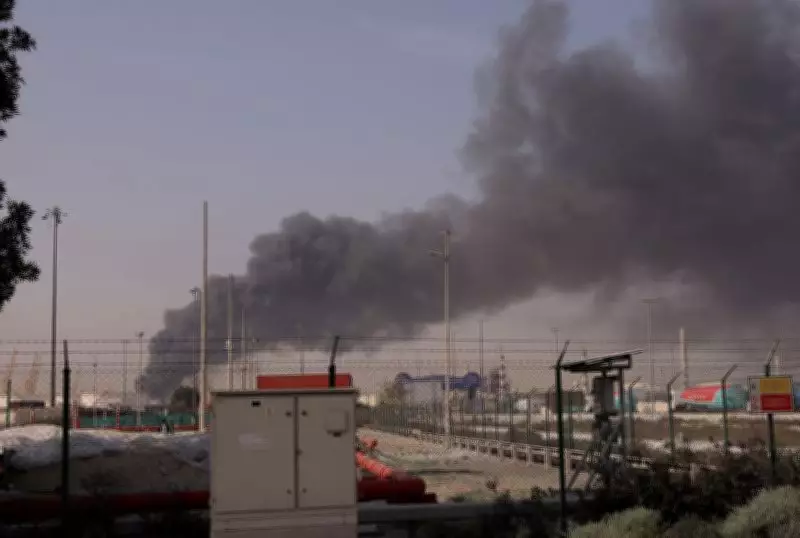
Reports indicate that the missile strikes have targeted key military and infrastructure sites in Israel, as well as locations in Gulf states such as Saudi Arabia and the United Arab Emirates. While specific damage assessments are still emerging, initial accounts suggest significant disruptions and potential casualties. The involvement of Gulf states adds a complex layer to the conflict, as these nations have historically had strained relations with Iran but are also key allies of the United States. This development threatens to destabilize the entire region, potentially drawing in other global powers.

International Reactions and Security Concerns
The international community has reacted with alarm to the escalating situation. The United Nations has called for an immediate ceasefire and diplomatic dialogue to prevent further violence. Meanwhile, the United States and Israel have reinforced their military positions in the area, with US officials warning of possible additional retaliatory measures. Security analysts highlight that this conflict could have far-reaching implications, including impacts on global oil markets and international security frameworks. The risk of a full-scale war in the Middle East is now considered higher than in recent years.
Background and Future Implications
This latest flare-up is rooted in long-standing geopolitical rivalries and proxy conflicts in the Middle East. Iran's missile capabilities have been a point of contention for years, with previous tensions often centered around nuclear negotiations and regional influence. The death of Khamenei, a symbol of Iran's revolutionary ideology, has likely galvanized hardline factions within the country, pushing for a more confrontational stance. Looking ahead, the situation remains volatile, with potential for further military engagements or diplomatic interventions. Observers stress the need for de-escalation efforts to avoid a catastrophic regional war.