Israel Conducts Daylight Military Strike on Tehran, Prompting Regional Crisis
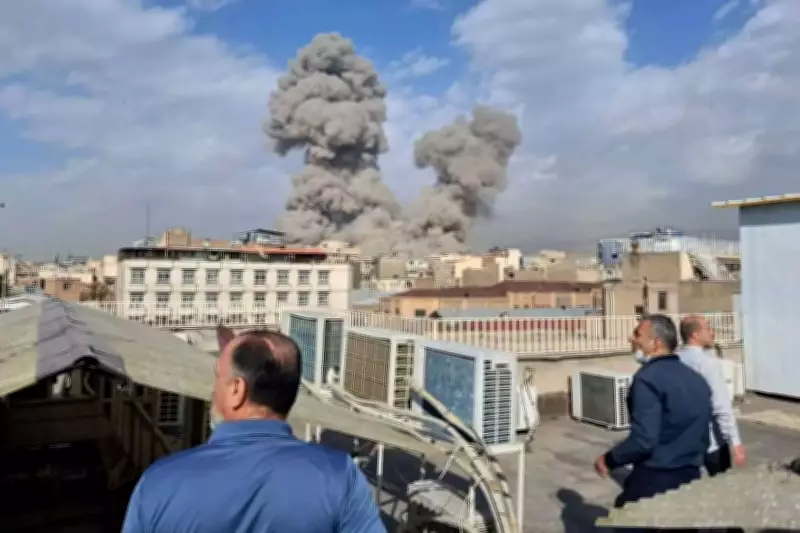
In a dramatic escalation of Middle Eastern tensions, Israel launched a targeted daylight strike on Tehran, the capital of Iran, on Saturday. The attack focused on locations in the city's downtown area, with witnesses reporting plumes of smoke rising near offices associated with Supreme Leader Ayatollah Ali Khamenei. The precise whereabouts of the 86-year-old leader at the time of the assault remain unclear, as he has not made public appearances in recent days amid heightened friction with the United States.
Israeli and Iranian Responses to the Attack
Israeli Defence Minister Israel Katz characterized the operation as an effort "to remove threats," though he withheld specific details regarding the targets or objectives. Concurrently, the Israeli military activated sirens across the nation, issuing a "proactive alert" that advised civilians to prepare for potential missile attacks and stay in proximity to bomb shelters. The Israel Defence Forces Home Front Command emphasized that while immediate sheltering was not mandatory, citizens should avoid non-essential travel and remain vigilant.
In response, Iranian authorities swiftly shut down the country's airspace, issuing urgent warnings to pilots as additional explosions were reported throughout Tehran. Iranian state television confirmed the blasts without attributing a cause, while officials have previously cautioned that any escalation could lead to retaliatory strikes against American military personnel and bases across the region.

International Involvement and Travel Disruptions
The strike coincides with a significant deployment of United States military assets to the area, including a substantial fleet of fighter jets and warships, aimed at pressuring Iran over its nuclear programme. Reports suggest U.S. involvement in the operation, though details are sparse. This development has exacerbated fears of a broader conflict, with Tehran warning of potential attacks on allied forces.
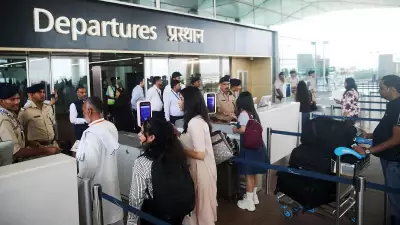
The situation has severely impacted international travel. At Tel Aviv airport, passengers, including those aboard Air India flight AI 140 to New Delhi, were instructed to abandon their luggage and rush to bomb shelters. In light of the evolving crisis, Air India announced a one-week suspension of operations on the sector to monitor developments. The disruption underscores the widespread ramifications of the escalating hostilities.
Ongoing Tensions and Unanswered Questions
This attack marks a serious intensification in the long-standing tensions between Israel, Iran, and the United States. The full extent of casualties, if any, remains unknown, and both military and diplomatic responses are under close observation. As explosions rocked Tehran and alerts sounded in Israel, the region braces for possible retaliatory measures, with global stakeholders closely monitoring the unfolding events for signs of further escalation.
The daylight strike on Tehran not only highlights the volatile security landscape but also raises critical questions about future engagements in the Middle East. With airspace closures, travel halts, and heightened military readiness, the incident underscores the fragile balance of power and the potential for rapid deterioration in regional stability.