Israeli Ambassador to India, Reuven Azar, has firmly rejected the possibility of Pakistan playing a constructive role in regional peace efforts, citing a deep-seated lack of trust. His remarks come amid shifting geopolitics in West Asia following a historic US-brokered peace agreement between Washington and Tehran.
Azar's Stance on Pakistan
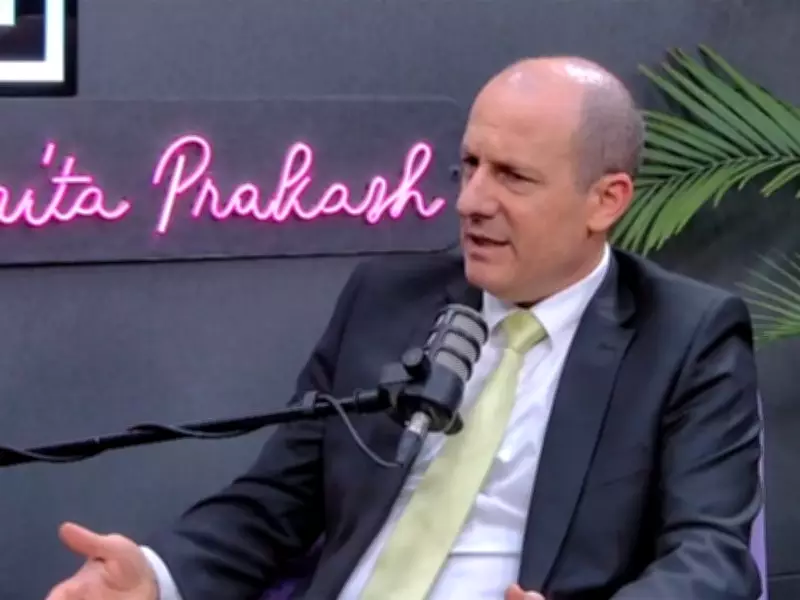
Speaking with ANI, Ambassador Azar addressed the potential involvement of Pakistan in West Asia's peace processes. This prospect was recently floated after US President Donald Trump suggested that Pakistan could play a role in the region despite the absence of diplomatic relations between Israel and Pakistan. Azar did not mince words regarding the current state of Israel-Pakistan relations.
Azar said, "Well, I said it in many interviews. We don't trust the Pakistanis. I think that their behaviour has been reprehensible, their approach towards Israel, the anti-Semitic remarks of their defence minister, etc. So there's nothing new there."

Previous Controversy
In April 2026, Israel strongly criticised remarks made by Pakistan's Defence Minister Khawaja Asif, calling them "outrageous" and questioning Pakistan's credibility as a neutral mediator in ongoing Middle East tensions. Asif had made controversial comments on social media, referring to Israel in highly critical terms. He labelled Israel as "evil" and a "curse for humanity", referred to the country as a "cancerous state" on Palestinian land, and included a "burn in hell" wish for its inhabitants.
Israel and Pakistan have historically lacked diplomatic ties, a divide further solidified by long-standing restrictions on travel between the two nations.
US-Iran Peace Deal
The Ambassador's comments come on the heels of President Trump's announcement of a comprehensive deal with Iran, which includes the reopening of the strategically vital Strait of Hormuz and the removal of the US naval blockade. In a post on Truth Social, Trump described the agreement as a historic breakthrough and said previous US administrations had failed to achieve a similar outcome with Iran.
"This Great Deal will bring Peace and Security to the whole Region. Many presidents have tried to make Peace with Iran, and all have failed before me. The Leaders of the Region have, for the first time, found a President who can help them achieve real Peace," Trump said.
Israel's Sovereignty Asserted
In a sharp rebuke of diplomatic efforts brokered by Washington, Israel's National Security Minister Itamar Ben-Gvir declared that the country is not bound by external diplomatic understandings and maintained its absolute state sovereignty. The far-right minister made it clear that American-led initiatives do not dictate domestic or military policy, emphasising Israel's geopolitical independence.
"Trump's agreement does not bind us. Israel is not subject to the United States, and we are an independent and sovereign nation! Our duty is to the citizens of Israel, to the soldiers of the IDF, and to the Jewish people, and our historical duty to the persecuted and murdered Jews over thousands of years of exile, to provide security to Jews in the Land of Israel," he posted on X.
Earlier, Trump announced the peace deal between the two nations following a series of negotiations and mediation involving Pakistan. Trump announced the completion of the deal and authorised the reopening of the Strait of Hormuz alongside the removal of the US naval blockade, declaring, "Ships of the World, start your engines. Let the oil flow!"
Pakistan Prime Minister Shehbaz Sharif said the agreement had been reached following intensive negotiations and announced that the official signing ceremony would be held on June 19 in Switzerland. He also said both sides had agreed to the immediate and permanent termination of military operations on all fronts, including in Lebanon, while thanking Qatar, Saudi Arabia and Turkiye for supporting the mediation process.