Iran Strikes Kuwait and Bahrain, UAE Support Alleged
Iran launched a series of missile and drone strikes targeting military installations in Kuwait and Bahrain on July 25, 2026, according to regional officials. The attack, which hit at least four sites, marks a significant escalation in the wider Middle East conflict. The United Arab Emirates is accused of providing logistical and intelligence support to Tehran, a claim the UAE has denied. The strikes killed at least 35 people and injured 80 more, mostly in Kuwait City and Manama.
Details of the Attack
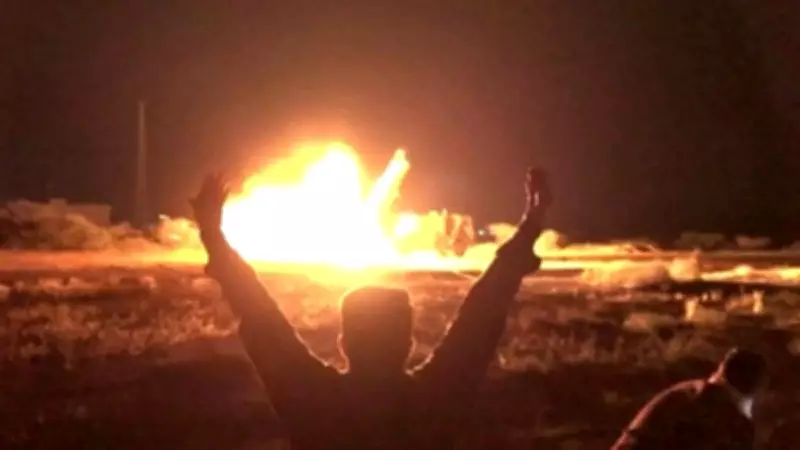
The strikes began at dawn local time, with Iranian-made drones and ballistic missiles aimed at Kuwait's Al Jaber Air Base and Bahrain's Mina Salman port. Kuwait's Defense Ministry confirmed that air defense systems intercepted several projectiles, but some breached defenses. In Bahrain, the port was partially crippled, disrupting oil exports. According to a Kuwaiti government statement, around 20 missiles and drones targeted Kuwait, while Bahrain reported 15 incoming projectiles.
Regional and International Reactions
Iran's Islamic Revolutionary Guard Corps claimed responsibility, stating the attacks were retaliation for recent Israeli airstrikes on Iranian consular facilities. "Our patience has limits and the Zionist regime's crimes will not go unanswered," said IRGC commander General Hossein Salami in a televised address. The UAE's foreign ministry quickly denied any involvement, calling the allegations "baseless and fabricated." Meanwhile, Saudi Arabia condemned the strikes and urged restraint. The United Nations Security Council announced an emergency session to discuss the situation.

Impact on Regional Stability
The strikes have raised fears of a broader conflagration. Kuwait and Bahrain, both members of the Gulf Cooperation Council, had largely avoided direct targeting in the Iran-Israel shadow war. Analysts say the inclusion of the UAE as a purported backer adds a new dimension. "This is a dangerous turning point. The UAE has previously maintained neutrality, and if it is indeed supporting Iran, it could fracture the Gulf alliance," stated Dr. Amina al-Sharif, a Middle East security expert at Gulf Research Center.
Casualties and Damage
Kuwait's health ministry reported 22 deaths and 55 injuries, while Bahrain confirmed 13 dead and 25 wounded. Civilian areas near the targeted bases were hit, prompting evacuations. Hospitals in both nations issued appeals for blood donations. The attacks also caused a sharp spike in oil prices, with Brent crude rising by 3% to $89 per barrel.
Diplomatic Fallout
The US State Department issued a strong condemnation, pledging to help defend allies. "We stand with Kuwait and Bahrain against this unprovoked aggression," said Secretary of State Antony Blinken. President Biden is reportedly considering additional troop deployments to the region. Iran, however, warned that any US involvement would trigger a "devastating response" across the Middle East. The UAE's alleged role has been denied, but Kuwait expelled the UAE ambassador in protest, demanding an investigation.
Historical Context
The strikes come amid months of escalating tensions following the 2026 Iran-Israel conflict. Kuwait and Bahrain had maintained diplomatic relations with Iran while hosting US military bases. The UAE, which normalized ties with Israel in 2020 under the Abraham Accords, has pursued a dual-track policy of engagement with both Israel and Iran. This attack may force Gulf states to re-evaluate their alignments.
Next Steps
Kuwait and Bahrain have declared a state of emergency and requested an emergency meeting of the GCC. Iran's actions have been condemned by most Arab nations, but Hezbollah and other Iran-backed groups praised the strikes. The coming days are critical for determining whether this incident leads to a wider regional war or a de-escalation brokered by international powers.