Middle East Conflict Intensifies with Missile Strikes on US Navy Base in Bahrain and Gulf Airspace Closures
The Middle East plunged deeper into open conflict on Saturday as a series of missile attacks and explosions rippled across the region, targeting key military and civilian sites. In a significant escalation, missiles struck a vital service center of the US Navy's Fifth Fleet in Bahrain, while explosions were reported in Abu Dhabi, prompting the shutdown of airspace across the Gulf. This turmoil unfolded amid escalating military strikes between the United States, Israel, and Iran, marking a dangerous new phase in regional tensions.
Bahrain Confirms Missile Attack on US Naval Facility
Bahrain's state news agency confirmed that multiple facilities within the kingdom were hit in what it described as a "flagrant violation of sovereignty". Authorities activated emergency measures in response. Later reports specified that the service center of the US Fifth Fleet had been targeted in a missile attack, with further details awaited. This incident represents a direct assault on American military assets in the region, heightening fears of broader conflict.
Coordinated US-Israel Operation Triggers Iranian Retaliation
The strikes in Bahrain came hours after the United States and Israel launched what both sides termed a "broad, coordinated military operation" against Iran. Early attacks were reported near Tehran, including areas close to offices linked to Supreme Leader Ayatollah Ali Khamenei. Iranian media documented explosions and air strikes across multiple cities, with state television airing footage of damaged buildings in Tehran, where rescuers were seen digging through rubble for survivors.

In retaliation, Iran's Revolutionary Guard announced it had launched a first wave of drones and missiles targeting Israel, signaling further escalation. This move underscores the tit-for-tat nature of the conflict, with both sides engaging in direct military actions.
Gulf Airspace Shut Amid Regional Chaos
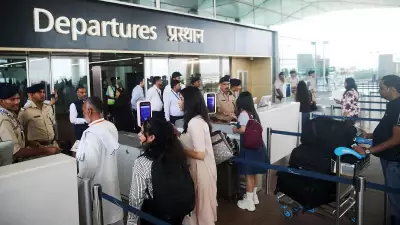
The United Arab Emirates closed its airspace as explosions were heard in Abu Dhabi, a decision expected to cause major disruption to global air travel given the presence of major airlines like Emirates and Etihad. Qatar, Kuwait, and Iraq also reported sirens, warning alerts, and airspace closures as the conflict spread across the region. The US Embassy in Qatar, along with missions in the UAE and Israel, issued shelter-in-place advisories for American personnel and citizens, highlighting the widespread security concerns.
Qatar hosts Al Udeid Air Base, the forward headquarters of US Central Command and home to thousands of US troops, making it a critical node in the unfolding crisis. In Israel, authorities instructed civilians to remain near shelters as sirens blared nationwide, with streets emptying and television broadcasters shifting to bomb shelters. Air defense systems intercepted incoming Iranian missiles, while explosions were also reported in parts of Jordan and southern Lebanon, indicating the conflict's regional spillover.
Trump Declares 'Major Combat Operations' in Iran
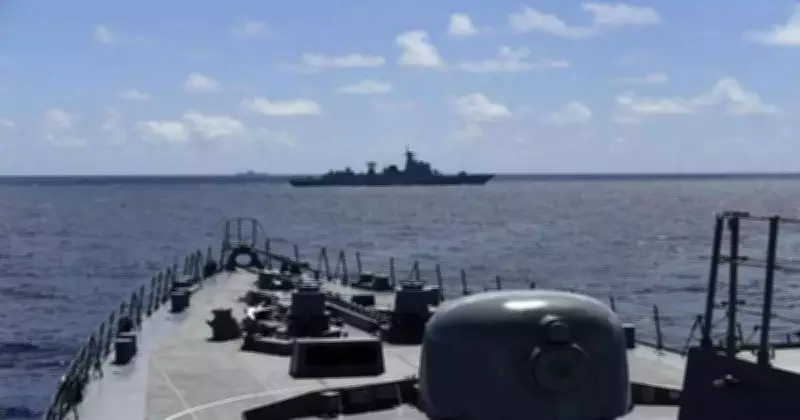
US President Donald Trump declared in a video posted on social media that the United States had begun "major combat operations in Iran", describing the campaign as necessary to eliminate what he called imminent threats from Tehran's nuclear and missile programs. "Iran cannot have nuclear weapons," Trump warned, acknowledging that the operation could lead to American casualties. He added that the strikes were part of a "massive and ongoing operation" aimed at destroying Iran's missile industry, degrading its navy, and neutralizing allied proxy forces.
Israeli Prime Minister Benjamin Netanyahu echoed this stance, stating that the joint action was designed to remove an "existential threat" and claiming the operation had been planned for months in coordination with Washington. This coordinated approach underscores the strategic alignment between the US and Israel in confronting Iran.
The situation remains fluid, with ongoing military engagements and diplomatic efforts likely to shape the course of this rapidly evolving conflict in the Middle East.