Suicide Bombing in Pakistan's Khyber Pakhtunkhwa Province Claims Lives of 11 Soldiers and a Child
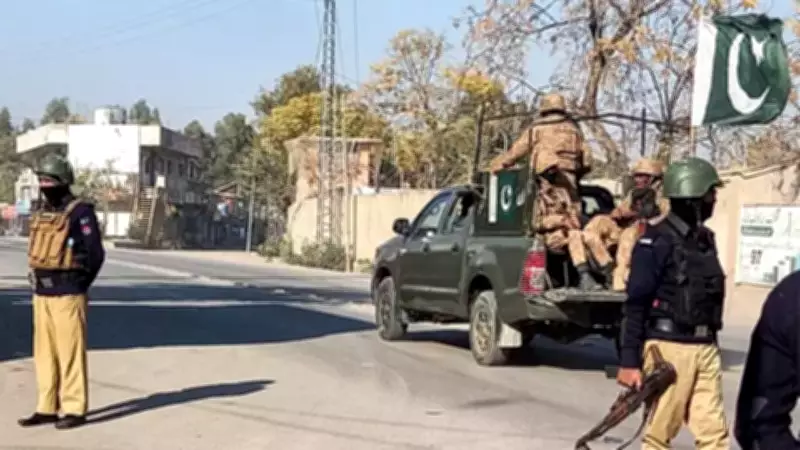
In a devastating overnight assault, a suicide bomber supported by armed gunmen targeted a security checkpoint in the Bajaur district of Pakistan's Khyber Pakhtunkhwa province. The attack resulted in the tragic deaths of 11 soldiers and a young child, with seven other civilians, including women and children, sustaining injuries.
Military Response Thwarts Breach Attempt
The Pakistani military reported that the attackers attempted to breach the security post but were successfully repelled by the forces on duty. Following the initial defense, troops pursued the assailants, leading to the elimination of 12 militants. Authorities referred to these individuals as "khwarij," a term commonly used for the Pakistani Taliban, also known as the Tehreek-e-Taliban Pakistan (TTP).
Explosive Impact Causes Widespread Damage
The suicide bomber detonated an explosives-laden vehicle at the checkpoint, causing part of the compound to collapse. The blast also inflicted severe damage on nearby civilian residences, resulting in the death of a young girl and injuries to multiple civilians. This incident underscores the collateral damage often associated with such violent acts in conflict-prone regions.

Historical Context and Regional Tensions
Bajaur, the site of the attack, is a district located along the Afghan border and was historically a stronghold for the Pakistani Taliban. Pakistan has experienced a significant surge in violence in recent years, with much of the blame attributed to the TTP. Although separate from Afghanistan's Taliban, the TTP maintains a close alliance with the group, which regained power in Afghanistan in 2021.
The escalation in attacks has strained diplomatic relations between Pakistan and Afghanistan. Islamabad accuses the TTP of operating freely within Afghan territory, a claim that both the militant group and the Kabul government consistently deny. This ongoing conflict highlights the complex security challenges in the region.
Broader Implications for Regional Stability
This attack adds to a pattern of increasing militancy in Pakistan, raising concerns about regional stability and the effectiveness of counter-terrorism measures. The involvement of civilians, particularly children, in such incidents calls attention to the humanitarian impact of ongoing conflicts.
As security forces continue to combat these threats, the international community monitors the situation closely, given its potential implications for broader geopolitical dynamics in South Asia.