Conflict Intensifies Over Shipping Routes
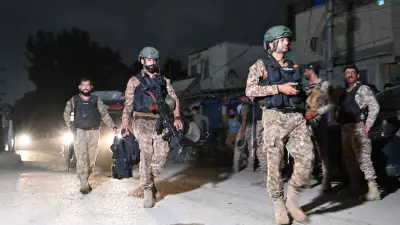
The US-Iran conflict has entered its 13th consecutive night of escalation, with a sharp uptick in attacks targeting shipping routes. The latest wave of aggression comes after Yemen's Houthi movement claimed responsibility for striking two Saudi oil tankers in the Red Sea, raising fears that the Iran war is widening beyond regional borders.
According to reports, the Houthi attacks mark a significant escalation, as the group has previously focused on land-based targets. The targeting of oil infrastructure at sea threatens global energy supplies and has drawn swift condemnation from international stakeholders.
US House Approves $95 Billion Budget Package
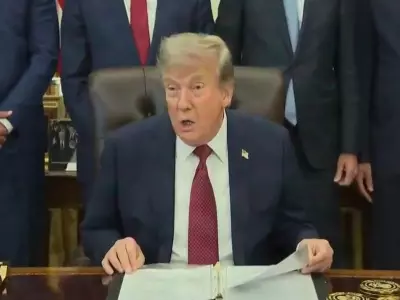
In a related development, the US House of Representatives on Wednesday approved a $95 billion budget package that includes funding for the ongoing Iran conflict. The legislation allocates resources for military operations, intelligence, and diplomatic efforts, signaling a prolonged US commitment in the region.

The budget passage comes amid intense debate in Washington, with lawmakers divided over the scope of US involvement in the Middle East. The package also includes provisions for humanitarian aid and reconstruction assistance for areas affected by the conflict.
Tehran Warns of Oil Blockade
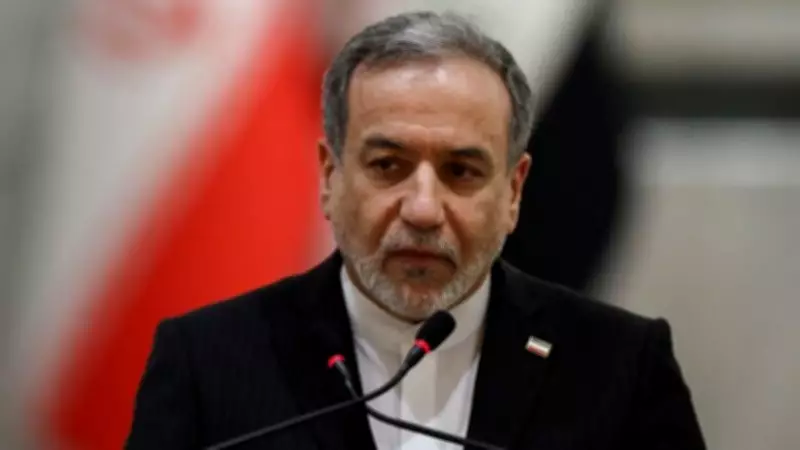
Meanwhile, Tehran has issued a stark warning: 'no one will sell oil' if Iran is prevented from exporting its crude through the Strait of Hormuz. The Strait is a critical chokepoint, handling about 20% of the world's oil supply. Analysts caution that any disruption could send global oil prices soaring and destabilize energy markets.
The warning from Iran underscores the high stakes of the conflict, as both sides engage in a war of words and military posturing. The Houthi attacks on Saudi tankers are seen as a direct challenge to Saudi Arabia and its allies, further complicating efforts to de-escalate tensions.
Global Impact and Next Steps
The cumulative effect of these developments has heightened anxiety in global energy markets. Oil prices have fluctuated wildly in recent weeks, with traders bracing for potential supply cuts. The US budget approval signals a sustained military campaign, while Iran's threats raise the possibility of a broader confrontation involving other Gulf states.
As the conflict enters its second week, international calls for a ceasefire have intensified. However, with both sides entrenched in their positions, the prospects for a diplomatic resolution remain uncertain. The world watches as the situation unfolds, with the potential to reshape geopolitics in the Middle East and beyond.