US-Israel vs Iran: Conflict Turns Regional War on Day 6 - What Has Happened So Far
The conflict between the United States, Israel, and Iran erupted on February 28, 2026, and has rapidly escalated into a full-scale regional war by its sixth day on March 5. This intense confrontation has drawn in multiple actors, including Hezbollah and Gulf states, leading to significant casualties, infrastructure damage, and disruptions to global energy supplies.
Day 1: Coordinated Strikes and Initial Retaliation
On February 28, the United States launched Operation Epic Fury, while Israel initiated Operation Roaring Lion. These coordinated offensives targeted over 500 Iranian military, nuclear, and command sites, with a heavy focus on Tehran. Precision airstrikes, drone swarms, and sophisticated cyberattacks crippled Iran's infrastructure, causing a nationwide internet blackout that severed communications for millions.
The strikes resulted in the assassination of Supreme Leader Ali Khamenei in his Tehran residence, along with other top officials such as army chief Abdol Mousavi and defence minister Amir Nasirzadeh. US B-2 bombers and Israeli F-35s evaded Iranian air defenses, destroying missile silos and airfields, with casualties including hundreds of IRGC personnel.

Iran retaliated swiftly with Operation True Promise IV, unleashing hundreds of ballistic missiles and drones toward Israel and US assets in the region. Strikes hit Tel Aviv and Haifa, as well as US bases in Qatar, Bahrain, UAE, Kuwait, Iraq, Jordan, and Saudi Arabia. Civilian sites, including luxury hotels in Dubai and Kuwait International Airport, were also targeted. While most projectiles were downed, some penetrated defenses, marking the first direct Iran-Israel clash on home soil.
Day 2: Escalation and Global Impact
By March 1, Iran formed an Interim Leadership Council to fill the void left by Khamenei's assassination, vowing unrelenting retaliation. Strikes continued on Gulf states and commercial oil tankers in the Arabian Sea, disrupting shipping lanes. Critically, Iran mined and blockaded the Strait of Hormuz, stalling over 150 vessels and halting 20% of global oil flow, causing energy markets to panic and US gas prices to surge.
US and Israeli airstrikes pounded Iranian missile depots in response. President Trump publicly outlined a 4-week timeline for regime change and urged Iranian military defections via social media broadcasts in Farsi. The Hormuz closure boosted calls for de-escalation from China and India. A friendly fire incident resulted in three US F-15E Strike Eagles being mistakenly shot down over Kuwait.
Day 3: Hezbollah Enters the Fray
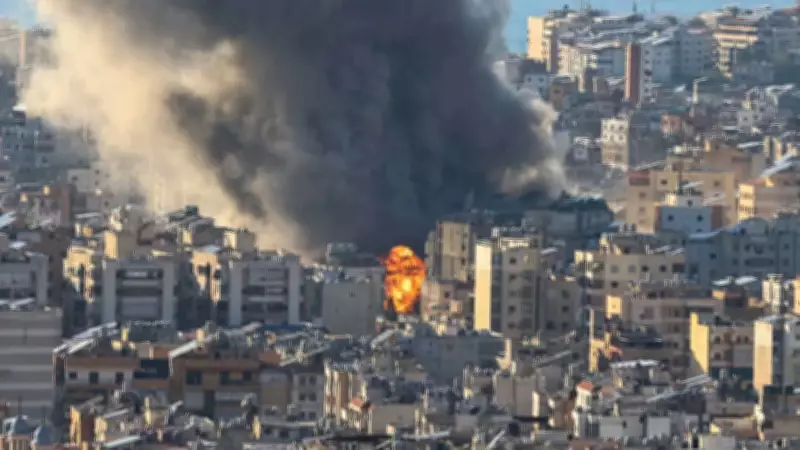
On March 2, Hezbollah in Lebanon joined the conflict after Khamenei's death, launching rockets into northern Israel and prompting massive Israeli counterstrikes on Beirut's southern suburbs and Hezbollah strongholds. US and Israeli forces obliterated the Natanz nuclear enrichment facility.
Qatar's air force downed two Iranian jets violating its airspace, while Iran's missiles struck the Kuwaiti embassy in Baghdad. The conflict widened as Iraqi Shia militias fired on US troops in Syria, met with drone reprisals. Israel's ground forces massed near Lebanon, signaling invasion readiness.
Iran targeted Saudi Aramco's Ras Tanura refinery with drones, causing a small fire and halting operations. Iran also hit Qatar's LNG facilities, leading QatarEnergy to halt all LNG production as a precaution.
Day 4: Ground Invasion and Naval Battles
March 3 saw Israel authorize a ground invasion of southern Lebanon to dismantle Hezbollah, assassinating its leader Hassan Nasrallah's successor and top Quds Force operatives in Damascus via airstrikes. US naval forces in the Gulf of Oman damaged much of Iran's surface fleet, sinking corvettes with Tomahawks.
Strikes hit an alleged underground nuclear site near Qom, confirmed by satellite imagery, alongside Bushehr airport near the nuclear plant, disrupting reinforcements. IDF special forces raided Iranian command posts in Syria. Iran's navy attempted breakout maneuvers but suffered heavy losses. Trump warned of "total victory," deploying B-52s for carpet bombing threats.

Day 5: Air and Sea Engagements
On March 4, an Israeli F-35 achieved the platform's first air-to-air kill, downing an Iranian Su-35 over Tehran in dogfight footage that went viral. US submarines torpedoed the Iranian frigate IRIS Dena off Sri Lanka's coast, disrupting Indian Ocean patrols. Qatar foiled an IRGC terror cell plotting attacks on Al Udeid base.
Day 6: Ongoing Strikes and Humanitarian Crisis
On March 5, Iran targeted a US-flagged oil tanker in the Gulf and Kurdish Peshmerga in Iraq with drones, while Israel pounded Lebanese infrastructure, displacing thousands. Vessel traffic in the Strait of Hormuz plummeted 90%, with supertankers idled. Azerbaijan claimed that Iranian drones hit its international airport, though Tehran has denied involvement.
The conflict has intensified disruptions to global energy supplies, with Iran hitting Aramco oil refineries and tankers, and striking LNG facilities in Qatar. The blockade of the Strait of Hormuz continues to stall over 150 ships, severely impacting international trade and energy markets.