AI Market Crash Could Topple Global Economy Into Recession
Financial experts are sounding alarms about a potential stock market crash in America. Many predict this event could trigger an unusual global recession. The warnings come from bank executives, the International Monetary Fund, and seasoned investors.
Lofty AI Expectations Fuel Market Valuations
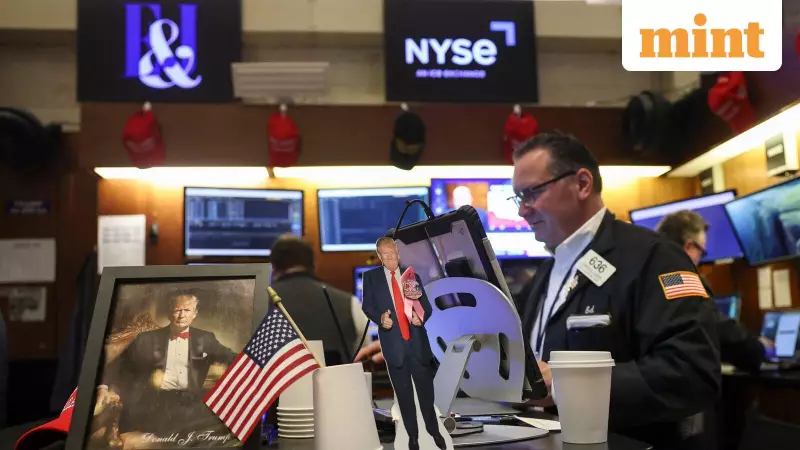
Traders on the floor of the New York Stock Exchange watch indices closely. The NASDAQ recently experienced a slight weekly decline. This minor wobble sparked speculation about market stability.
The cyclically adjusted price-earnings ratio of the S&P 500 index has reached dotcom boom levels. This surge is largely driven by seven major technology companies. Investors are betting heavily on artificial intelligence investments paying substantial returns.

JPMorgan Chase analysts present daunting numbers. For companies to achieve a ten percent return on projected AI capital expenditures by 2030, they need collective annual AI revenues of $650 billion. This figure translates to over $400 yearly from every iPhone user globally.
History shows new technologies often disappoint initial lofty expectations. Even world-changing innovations typically face early setbacks before realizing their full potential.
Equity Financing Differs From Past Crises
Today's AI market enthusiasm differs significantly from the 2007-09 financial crisis. Back then, widespread leverage and complex financial engineering fueled a debt bubble in subprime housing. Current AI euphoria relies mostly on equity financing.
The real economy has demonstrated remarkable resilience in recent years. It weathered Europe's energy crisis and American tariff policies effectively. Recessions have become increasingly rare economic events.
Yet financial analysts caution against complacency. The longer the AI boom continues, the more opaque its financing mechanisms become. A dramatic stock market decline could potentially topple the resilient global economy into a downturn.
American Consumer Vulnerability
The root of economic vulnerability lies with American consumers. Stocks now constitute twenty-one percent of household wealth in the United States. This represents a quarter more than during the peak of the dotcom boom.
AI-related assets account for nearly half the increase in American wealth over the past year. As households grew wealthier, they reduced their savings compared to pre-pandemic levels. A market crash would reverse these trends dramatically.
Analysts calculate that a stock market fall comparable to the dotcom bust would reduce American household net worth by eight percent. This decline could trigger significant consumer spending retrenchment.
By standard economic measures, this pullback would amount to 1.6% of GDP. Such contraction could push America's already struggling labor market into full recession. The consumer impact would far exceed any reduction in AI investment spending.
Global Spillover Effects
Weaker American demand would spill over to low-growth European economies and deflationary China. This would compound existing challenges from tariff policies. Foreign investors hold $18 trillion in American stock exposure, creating a mini-wealth effect globally.
The potential good news involves historical precedent. The downturn following the dotcom crash remained relatively shallow. Many major economies avoided recession entirely during that period.
The Federal Reserve maintains sufficient room to lower interest rates and boost demand. Some countries would likely respond with fiscal stimulus measures. However, a downturn would expose vulnerabilities in today's economic and geopolitical landscape.
Broader Economic Consequences
A recession would weaken America's global economic position. It would undermine government budgets and worsen protectionist tendencies worldwide. Without the AI boom, the American economy would face multiple threats simultaneously.
Tariff policies, beleaguered institutions, and fractious politics would create additional challenges. America's traditional role as an economic haven during global downturns might not materialize under current circumstances.

Indebted governments everywhere would face stern fiscal tests during a recession. Central banks would cut interest rates, easing debt servicing costs for developed nations. However, widening deficits from increased welfare spending and reduced tax receipts would create new pressures.
Trade dynamics would shift significantly. Reduced American consumer spending would likely shrink the trade deficit. Yet China's manufacturing surplus would probably worsen, creating global trade tensions.
The world may be predicting an American stock market crash, but few are truly prepared for the potential consequences. Financial markets continue watching AI developments closely as valuations reach historic levels.