

Gulf States Issue Strong Warning to Iran, Vow Self-Defense After UAE Attacks
In a significant escalation of regional tensions, Gulf Cooperation Council (GCC) states have issued a strong and unequivocal warning to Iran. This move comes in direct response to recent attacks targeting the United Arab Emirates, specifically the cities of Dubai and Abu Dhabi. The Gulf nations have declared their readiness to defend themselves, signaling a potential shift in the security dynamics of the Middle East.
Details of the Attacks and Immediate Aftermath
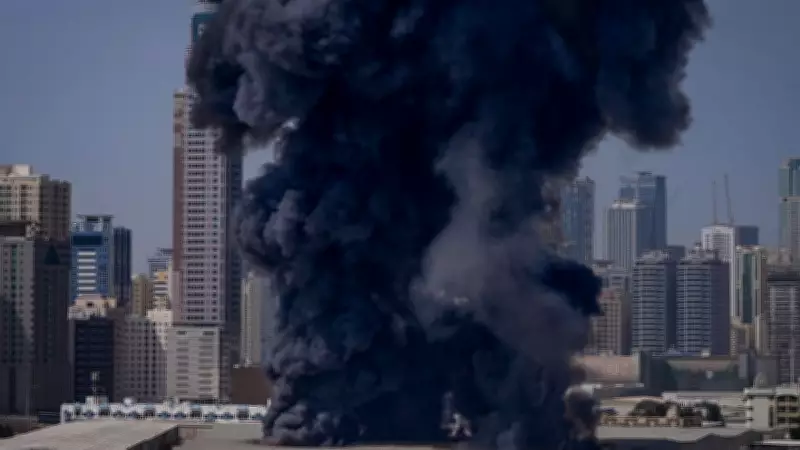
The attacks on Dubai and Abu Dhabi, which occurred recently, have been attributed to Iranian-backed groups, although Iran has not officially claimed responsibility. These incidents involved drone and missile strikes that caused material damage and heightened security alerts across the UAE. In the wake of these events, Gulf states have convened emergency meetings to coordinate their response, emphasizing the seriousness of the threat.
The GCC's collective statement underscored that such aggression will not be tolerated. It highlighted the nations' commitment to safeguarding their sovereignty and territorial integrity. This warning marks a more assertive stance compared to previous diplomatic efforts, as the Gulf states seek to deter further provocations from Iran.

Regional Implications and Historical Context
This development occurs against a backdrop of longstanding geopolitical rivalries in the Middle East. Iran and the Gulf states, particularly Saudi Arabia and the UAE, have been engaged in a proxy conflict for years, with tensions often spilling over into military skirmishes. The recent attacks on the UAE represent a direct challenge to Gulf security, prompting this unified and forceful response.
Analysts suggest that this warning could lead to increased military preparedness among GCC members. Potential measures might include enhanced air defense systems, joint military exercises, and closer coordination with international allies. The situation raises concerns about a broader regional conflict, as both sides appear unwilling to back down.
International Reactions and Future Outlook
The international community is closely monitoring the situation, with key players like the United States and European Union calling for de-escalation. However, the Gulf states' warning indicates a shift towards self-reliance in defense matters, possibly reducing dependence on external powers. Moving forward, the focus will be on whether Iran heeds this warning or continues its aggressive posture, which could determine the stability of the region in the coming months.






