India and Australia have finalised the administrative arrangement to operationalise the Civil Nuclear Agreement originally signed in 2014, clearing the way for Australian uranium exports to India. The announcement was made on July 9, 2026, during a special briefing on Prime Minister Narendra Modi's visit to Australia.
Breakthrough After Years of Stalemate
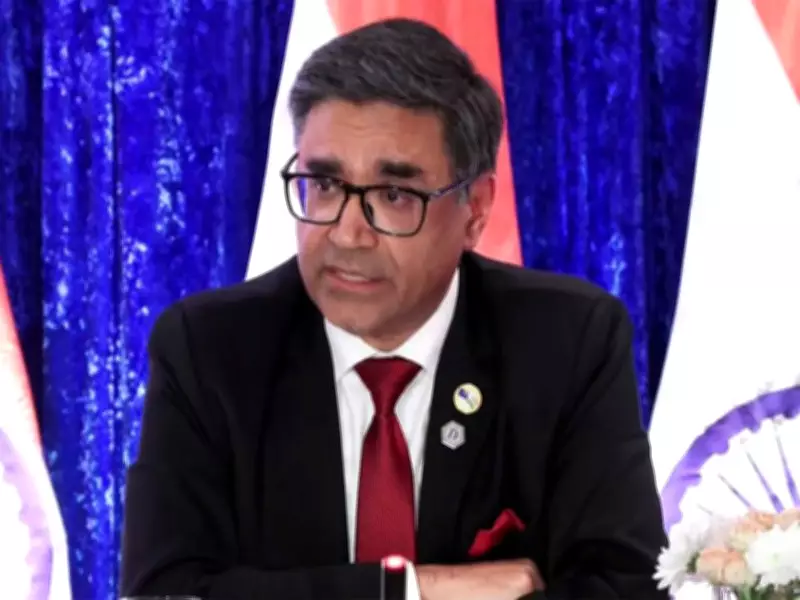
Foreign Secretary Vikram Misri explained that while the civil nuclear cooperation agreement was signed in 2014, and an administrative arrangement had been concluded, it could not be operationalised due to unresolved reporting-related issues. Misri stated, "There was the requirement for an administrative arrangement in the civil nuclear agreement but it had not been possible to operationalise it because there wasn't agreement fully on reporting-related issues."
The deadlock stemmed from the absence of a bilateral agreement on reporting protocols. Misri added, "Given the fact that India and Australia bilaterally did not have an agreement on that issue, the arrangement needed to be brought in line with one that would satisfy both sides and provide confidence that reporting procedures and protocols were in place."

Two Years of Intense Negotiations
Misri noted that after "very intense discussions" over the past two years, both countries resolved the outstanding issues and finalised the necessary framework. The arrangement is a government-to-government (G-to-G) agreement that ensures issues related to accounting and reporting are fully addressed.
On the actual supply of uranium, Misri clarified that private Australian companies involved in the uranium trade will now connect with their Indian counterparts—organisations that typically import uranium from other sources—to conclude commercial contracts. "These two entities would now get in touch and start concluding commercial contracts for the supply of uranium," he said.
Joint Statement and Prime Ministerial Endorsement
The joint statement issued after the meeting between Prime Minister Narendra Modi and his Australian counterpart, Anthony Albanese, welcomed the finalisation and signature of the Administrative Arrangement. It stated that the arrangement will enable long-term Australian uranium exports to India for exclusively peaceful purposes and under International Atomic Energy Agency (IAEA) safeguards. Australia also reiterated its strong support for India's membership of the Nuclear Suppliers' Group.
During press statements with Albanese, PM Modi said that the two countries have reached an important agreement concerning nuclear energy, which will pave the way for uranium supply from Australia to India. He emphasised that this will give new strength to India's clean energy goals.
Impact on India's Clean Energy Ambitions
The operationalisation of the civil nuclear agreement is a significant step for India's energy security and its commitment to reducing carbon emissions. Access to Australian uranium will support India's expanding nuclear power programme, which aims to increase nuclear capacity as part of its clean energy transition. The agreement underscores the deepening strategic partnership between India and Australia, spanning defence, trade, and now civil nuclear cooperation.