Iran Conditionally Agrees to Talks with US Amid Escalating Strike Threats
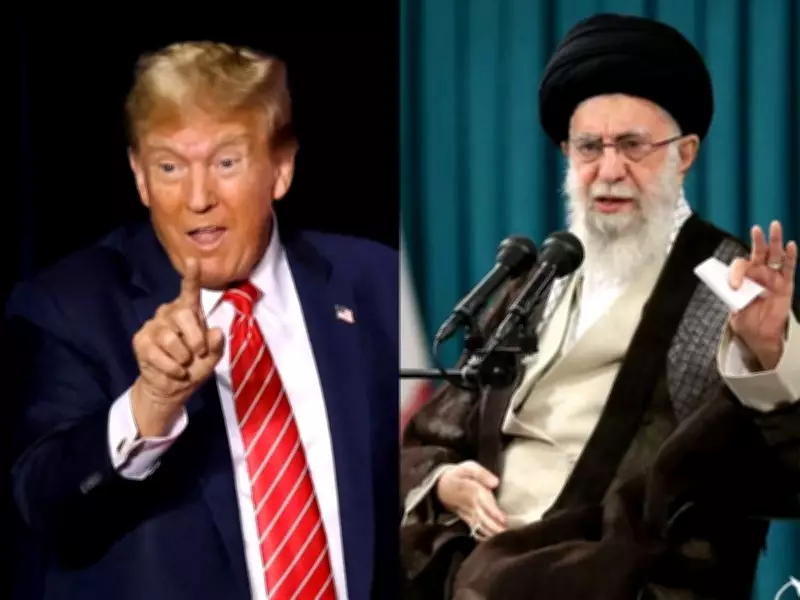
In a significant diplomatic development, Iran has conditionally agreed to engage in direct talks with the United States, as regional tensions surge amid threats of military strikes. This move marks a potential turning point in the volatile geopolitics of the Middle East, where longstanding hostilities have often teetered on the brink of conflict.
Conditional Diplomacy in a Tense Climate
The agreement for talks comes with specific conditions set by Iran, though details remain undisclosed publicly. Analysts suggest these likely involve assurances on sanctions relief, regional security guarantees, or commitments to de-escalation. This conditional approach underscores Iran's cautious stance, balancing diplomatic outreach with national security concerns.
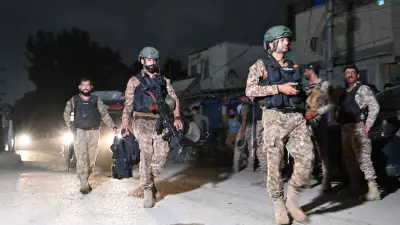
Simultaneously, threats of military strikes have intensified, with reports indicating heightened alert levels among regional forces. The backdrop of these talks is fraught with risks, as any miscalculation could spiral into broader hostilities. The United States has not yet formally responded to Iran's conditional agreement, but observers note that such dialogue could serve as a critical pressure valve in a region on edge.

Implications for Middle Eastern Stability
The potential for US-Iran talks carries profound implications for Middle Eastern stability. Key areas of impact include:
- Nuclear Negotiations: Renewed dialogue might revive stalled efforts on Iran's nuclear program, addressing international concerns over proliferation.
- Regional Proxy Conflicts: Talks could influence conflicts in Syria, Yemen, and Lebanon, where Iran and US allies are deeply involved.
- Economic Factors: Easing tensions might lead to adjustments in oil markets and sanctions, affecting global trade dynamics.
However, the conditional nature of Iran's agreement introduces uncertainty. Success hinges on mutual concessions and trust-building measures, which have been elusive in past engagements. The threat of strikes adds urgency, as both sides navigate a delicate balance between diplomacy and deterrence.
Global Reactions and Future Prospects
International reactions have been mixed, with some nations welcoming the prospect of dialogue as a step toward peace, while others express skepticism given Iran's history of brinkmanship. Regional allies of the United States, such as Israel and Saudi Arabia, are closely monitoring developments, concerned about potential shifts in security arrangements.
Looking ahead, the path forward is fraught with challenges. Key factors to watch include:
- The specific conditions Iran has set and whether the US finds them acceptable.
- The timeline for talks and any preconditions related to military de-escalation.
- The role of international mediators, such as the United Nations, in facilitating discussions.
In conclusion, Iran's conditional agreement to talks with the United States represents a cautious diplomatic opening amid grave threats of strikes. While it offers a glimmer of hope for reduced tensions, the road to meaningful dialogue remains precarious, dependent on navigating complex geopolitical and security hurdles in one of the world's most unstable regions.