Diplomatic Efforts in Tehran
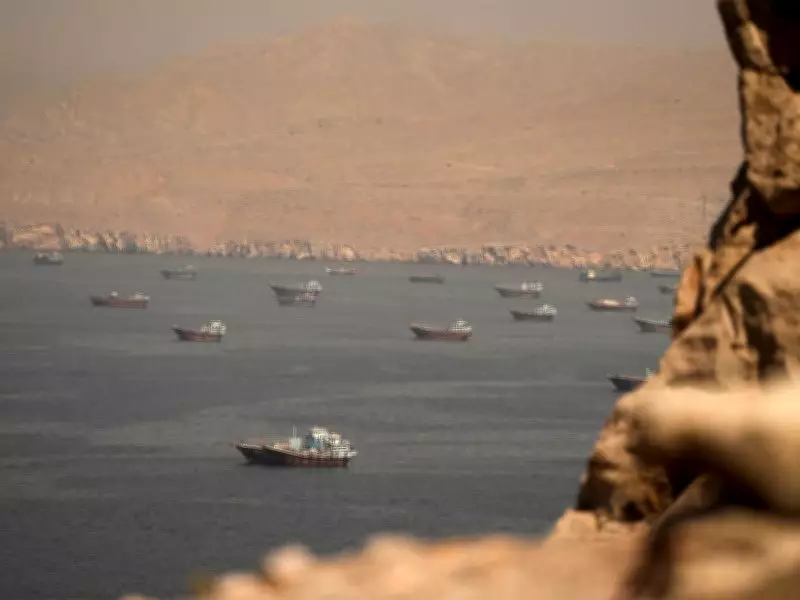
According to two regional sources who spoke with CBS News, Omani officials traveled to Tehran on Friday for discussions with Iranian counterparts. The sources indicated that while the negotiations are moving in a positive direction, more time is required to finalize a deal. The talks focus on reopening the Strait of Hormuz and respective territorial waterways in that strategic region.
The diplomatic outreach coincided with a decision by President Donald Trump to pause US bombings on Iran, which the US Central Command (CENTCOM) had been carrying out for 13 consecutive nights. Both regional sources told CBS that the US bombing was intentionally paused so as not to disrupt the delicate in-person diplomacy. The White House and CENTCOM did not respond to requests for comment on the matter.
US Role and Pause in Bombing
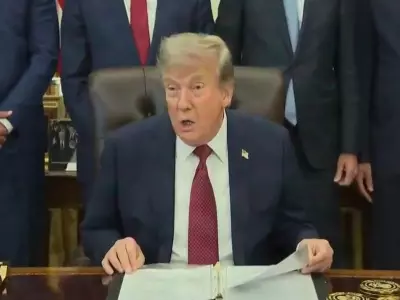
Speaking at the White House Correspondents' dinner on Friday, Trump reiterated that Iran would "love to make a deal." However, he added, "I don't think they're ready to. I don't think it's time yet, but I'm willing to listen." The pause in strikes appears to create a window for Omani-mediated negotiations, which Washington is tracking closely.

The Strait of Hormuz is a critical chokepoint for global oil shipments, and its closure or disruption can significantly impact energy markets. The ongoing talks aim to de-escalate tensions that have simmered since the US launched its bombing campaign earlier this month.
Iranian Foreign Minister's Accusations
On Saturday, Iranian Foreign Minister Abbas Araghchi accused the United States of deliberately violating the Iran-US memorandum of understanding by establishing an unauthorized alternative shipping route in the Strait of Hormuz and redirecting commercial vessels away from corridors designated by Tehran. Citing an interview with an Iranian daily, Press TV reported that Araghchi emphasized that Article 5 of the memorandum was unambiguous and that Washington's actions went beyond a simple misunderstanding.
“The US is deliberately undermining the agreed framework,” Araghchi said, according to the report. He did not provide specific evidence but called on Washington to return to compliance.
CENTCOM Maintains Naval Blockade
Earlier in the day, CENTCOM announced that the American naval blockade against Iran remains in full effect. In a statement on X, CENTCOM disclosed that coalition forces have redirected 12 commercial vessels attempting to breach the perimeter as part of an ongoing effort to restrict “unauthorized maritime transport” bound for Iranian ports. The command also reported that two ships that failed to comply with orders were “disabled,” while two others were boarded “to ensure total compliance.”
The developments highlight the fragile state of US-Iran relations, with military pressure continuing alongside diplomatic channels. The Omani mediation represents one of the few active avenues for dialogue, as both sides weigh the costs of further escalation. The Strait of Hormuz remains a flashpoint, and any agreement on its reopening could have far-reaching implications for regional stability and global oil supply.