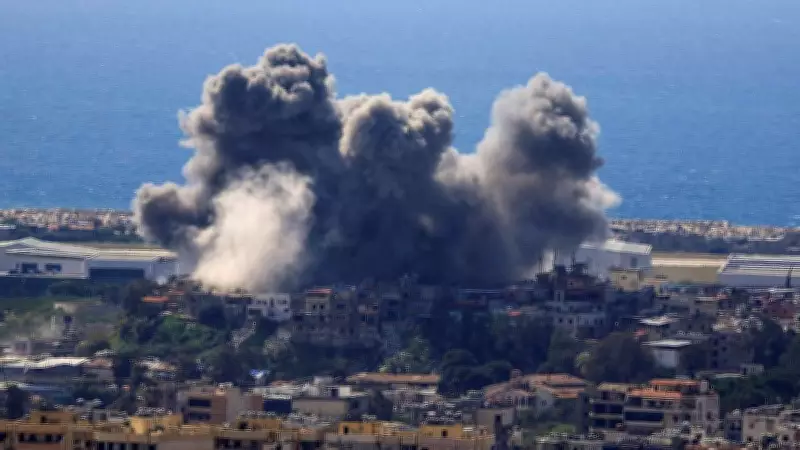
A ceasefire in Lebanon has been agreed upon following the abrupt cancellation of US-Iran talks in Switzerland, according to sources from Hezbollah and Israeli officials. The development marks a significant de-escalation in the ongoing tensions in West Asia.
Ceasefire Confirmed by Multiple Sources
Two sources from Iran-aligned Hezbollah and a senior Israeli official confirmed the ceasefire on Friday, June 19, 2026. The agreement comes after weeks of heightened conflict along the Lebanon-Israel border.
Background of the Conflict
The clashes had intensified since early June, with cross-border shelling and airstrikes raising fears of a full-scale war. The United States and Iran had been engaged in indirect talks in Switzerland aimed at reducing tensions, but those discussions were unexpectedly scrapped earlier this week.

Key Points of the Ceasefire
- Immediate halt to all military operations between Hezbollah and Israeli forces.
- Withdrawal of heavy weaponry from the border region.
- Establishment of a monitoring mechanism involving international observers.
Reactions and Implications
Both sides have welcomed the ceasefire as a necessary step to prevent further civilian casualties. Hezbollah officials stated that the agreement was reached through direct communication with Israeli intermediaries, bypassing traditional diplomatic channels. Israeli leaders emphasized that the ceasefire is conditional and could be revoked if Hezbollah violates its terms.
The United Nations and several world powers have expressed cautious optimism, urging both parties to adhere to the ceasefire and resume broader peace negotiations. The cancellation of US-Iran talks had initially raised concerns about a potential escalation, but the unilateral ceasefire has somewhat alleviated those fears.
This development is seen as a major shift in the dynamics of West Asia, where proxy conflicts have often drawn in regional and global powers. Analysts suggest that the ceasefire could pave the way for more comprehensive discussions on security and stability in Lebanon and the wider region.