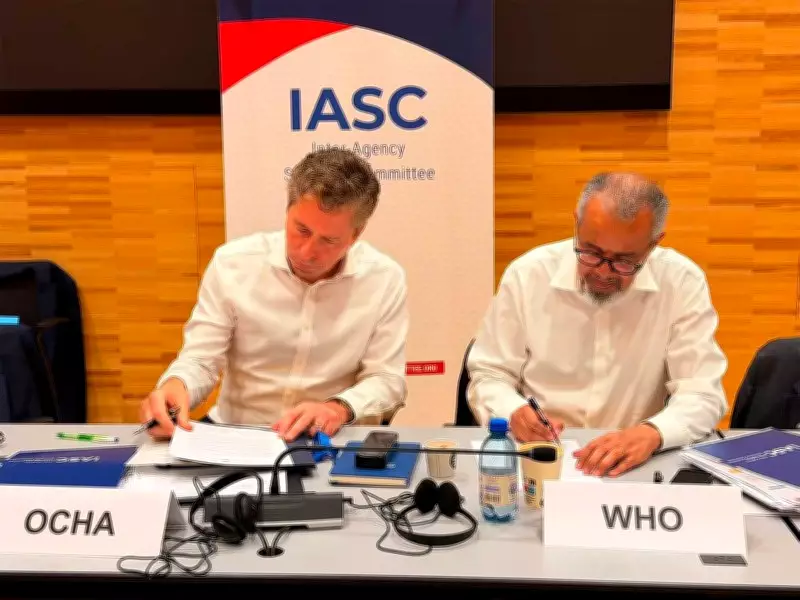
WHO Director-General Tedros Adhanom Ghebreyesus on Saturday signed a joint letter endorsing the appointment of Julien Harneis as Senior Ebola Coordinator in Kinshasa, Democratic Republic of the Congo (DRC), to strengthen coordination across the UN system during the ongoing Ebola outbreak.
Endorsement for Closer Coordination
In a post on X, Tedros stated, "The complexity of Ebola response in DRC demands close coordination across UN system and humanitarian partners. Together with UN Under-Secretary-General for Humanitarian Affairs and Emergency Relief Coordinator, Tom Fletcher, I signed a joint letter to endorse the appointment of Julien Harneis as a Senior Ebola Coordinator in Kinshasa." The decision was driven by the complicated nature of the outbreak, which requires a unified response.
Challenges of Conflict and Hunger
Earlier, on June 27, Tedros highlighted how war exacerbates the Ebola response. He wrote on X, "True. War makes fighting Ebola so much harder, blocking access, scattering contacts, and driving people into hiding out of fear and mistrust. Yet responders show up every day, risking their lives to both the virus and the violence. They need our continued support." The outbreak is unfolding in eastern DRC, where conflict, displacement, and severe hunger have left millions vulnerable.

WFP's Expanded Assistance
The World Food Programme (WFP) is expanding assistance and logistical support as Ebola spreads across 34 health zones in Ituri, North Kivu, and South Kivu. According to a UN statement, the agency has supported more than 1.2 million people with food and nutrition assistance, logistics, telecommunications, and air services. Since late May, WFP has provided over 36,000 hot meals to patients, caregivers, and people under observation in Ebola treatment centres, while food rations have been distributed to quarantined communities to help families comply with public health measures.
Thirty of the affected health zones are experiencing crisis levels of hunger or worse. WFP is also transporting medical supplies and humanitarian workers to outbreak hotspots, but insecurity and funding shortfalls threaten the response. The agency is seeking USD 72 million over the next six months to sustain food assistance, air services, and logistics operations as the outbreak continues to grow.