Government Invokes ESMA to Mandate Increased LPG Production
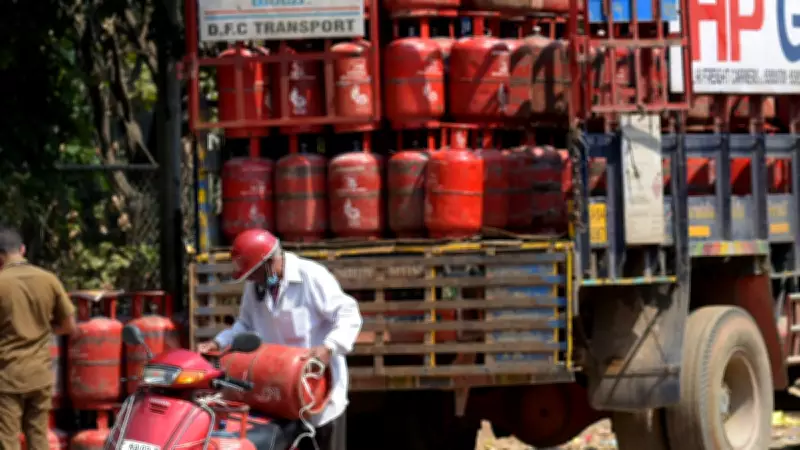
In a decisive move to address potential supply shortages, the Indian government has officially invoked the Essential Services Maintenance Act (ESMA), directing oil refiners across the country to significantly boost their production of Liquefied Petroleum Gas (LPG). This directive aims to ensure a steady and reliable supply of cooking gas for domestic households, particularly in light of rising demand and geopolitical uncertainties affecting global energy markets.
Strict Guidelines for LPG Distribution
The government order explicitly states that all LPG produced under this mandate must be sold exclusively to domestic households for cooking purposes. This measure is designed to prioritize essential needs and prevent diversion to commercial or industrial sectors, which could exacerbate shortages. The directive underscores the critical role of LPG in daily life, especially in rural and urban areas where it is a primary fuel source for millions of families.
Any contravention of this order will attract stringent penal action, as outlined in the ESMA provisions. Refineries found violating the guidelines may face fines, operational restrictions, or other legal consequences, ensuring compliance and safeguarding public interest. This step reflects the government's proactive approach to managing essential commodities and maintaining social stability.

Background and Implications
The invocation of ESMA comes amid concerns over supply chain disruptions and increasing consumption patterns. By leveraging this legal framework, the government can compel refiners to allocate resources efficiently, potentially averting crises similar to past shortages. Industry experts note that this move may lead to short-term adjustments in refinery operations but is crucial for long-term energy security.
The order, dated March 6, 2026, and reported by Ajith Athrady, highlights the urgency of the situation. It aligns with broader national policies focused on energy independence and household welfare, reinforcing the commitment to accessible and affordable cooking fuel for all citizens.