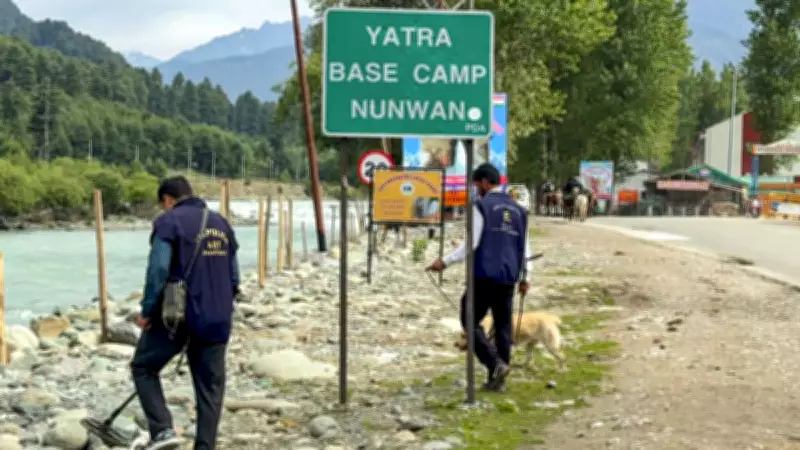
The Jammu and Kashmir Police have unveiled a robust security arrangement for the Amarnath Yatra 2026, following directives from Union Home Minister Amit Shah. The plan includes deployment of additional CRPF personnel and advanced surveillance systems to ensure the safety of pilgrims.
Security Measures Announced
In a press conference, the Director General of Police for Jammu and Kashmir outlined the multi-layered security grid. Over 10,000 CRPF personnel will be stationed along the two main routes: the traditional Pahalgam route and the shorter Baltal route. The police will also deploy snipers, drone teams, and bomb disposal squads.
Technological Upgrades
For the first time, the yatra will feature AI-powered facial recognition cameras at entry points and base camps. Pilgrims will be issued RFID tags for real-time tracking. The entire route will be under 24/7 surveillance with a dedicated control room monitoring feeds.

- Helicopter services for emergency evacuations
- Mobile medical units at every campsite
- Specialized quick reaction teams (QRTs)
Coordination with Central Agencies
The security blueprint was prepared in consultation with the CRPF, ITBP, and the Army. Amit Shah reviewed the plan last week, emphasizing zero tolerance for any security lapse. The police chief stated, “We are committed to providing a safe environment for devotees.”
Traffic and Route Management
To prevent bottlenecks, a single-lane traffic system will be enforced on both routes. Pilgrims will be divided into batches of 500, escorted by armed guards. The yatra, expected to begin in July 2026, will also have designated halting points with fortified shelters.
- Registration mandatory with photo ID
- Baggage screening at all checkpoints
- Ban on personal vehicles beyond base camps
Past Incidents and Preparedness
Following past terror attacks, the police have heightened vigilance. The 2026 plan includes anti-sabotage checks and intelligence sharing with central agencies. The Home Minister has assured all necessary resources for a smooth yatra.