In a significant move aimed at enhancing pedestrian connectivity, authorities have greenlit an ambitious plan to construct elevated walkways along a key metro corridor in India's tech capital. The proposal, which promises to reshape the commute experience for thousands, was given the nod during a crucial meeting this week.
Approval Granted, Funding Question Remains
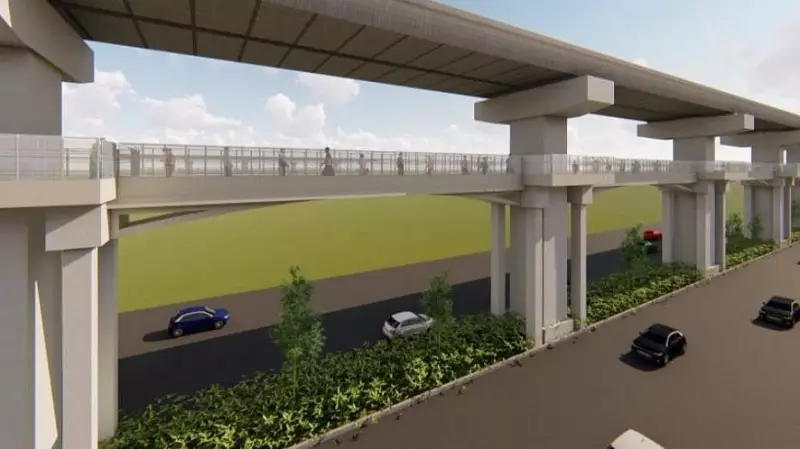
The Greater Bengaluru Authority (GBA) approved the plan for constructing 8 kilometres of elevated walkways beneath the Outer Ring Road (ORR) metro line during its meeting on Tuesday, January 7, 2026. This decision marks a pivotal step towards creating integrated, multi-modal transit infrastructure in the city's bustling tech corridor.
However, the meeting concluded without finalizing a crucial element: the source of funds for this large-scale project. The responsibility for securing the necessary financing has now been placed upon two primary entities: the Bangalore Metro Rail Corporation Ltd (BMRCL) and the Outer Ring Road Companies Association (ORRCA). This leaves the project's immediate future contingent on successful negotiations and financial planning between these stakeholders.

Project Vision and Potential Impact
The envisioned walkways are designed to run parallel to the ORR metro line, providing safe, dedicated, and weather-protected pathways for pedestrians. This initiative directly addresses long-standing concerns about last-mile connectivity and pedestrian safety in one of Bengaluru's most congested and commercially vital areas.
The potential benefits of such a project are multifaceted:
- Improved Safety: Separating pedestrians from chaotic road traffic.
- Enhanced Connectivity: Seamlessly linking metro stations with major office complexes and residential hubs.
- Reduced Congestion: Encouraging walking for short distances, which could ease pressure on road transport.
- Boost to Public Transit: Making metro travel more accessible and attractive by solving the first-and-last-mile challenge.
The Road Ahead: Collaboration is Key
While the approval from the GBA is a major administrative hurdle cleared, the unresolved funding issue casts a shadow on the project's timeline. The success of this ambitious urban infrastructure plan now hinges on the collaborative efforts of BMRCL, the city's metro backbone, and ORRCA, which represents the corporate interests along the corridor.
The coming months will be critical as these organizations work to devise a viable financial model. The project represents a test case for public-private partnership models in developing urban pedestrian infrastructure in Indian megacities. Stakeholders and citizens alike will be watching closely to see if this promising plan for Bengaluru's ORR metro line can transition from a approved proposal to a tangible reality on the ground.