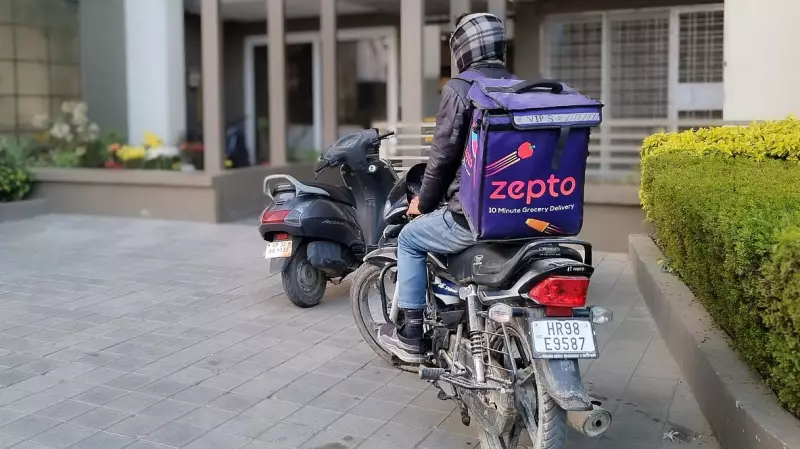
The promise of receiving groceries at your doorstep within ten minutes, a service that reshaped urban consumption in India, is now facing significant headwinds. The business model pioneered by apps like Blinkit, Swiggy Instamart, and Zepto is under intense pressure as the economics of hyper-fast delivery are being scrutinized.
The Engine Behind Instant Gratification: Dark Stores
To achieve their ambitious delivery timelines, these quick-commerce companies have relied heavily on a network of strategically located dark stores. Unlike traditional retail outlets, these are compact, tech-enabled warehouses designed exclusively for fulfilling online orders. Companies have liberally poured money into establishing and operating these micro-fulfillment centers across dense urban neighborhoods.
This capital-intensive infrastructure was seen as the key to winning the race for speed, allowing them to stock high-demand items close to the consumer. However, the massive and sustained investment required to build, staff, and maintain this sprawling network is now at the heart of the sector's challenges.

Mounting Challenges for the Quick-Commerce Sector
The pressure on the 10-minute delivery model stems from a combination of factors. High operational costs, including real estate, manpower, and last-mile logistics, are constant drains. Customer acquisition and retention in a competitive market also demand significant spending on discounts and marketing.
Furthermore, the unit economics—the profit or loss on each individual order—remain difficult to balance. While these services have gained popularity, especially among young, time-poor urban professionals, the path to consistent profitability is proving to be steep. The model's sustainability is being tested as investor focus shifts from growth-at-all-costs to a clearer path to financial health.
The Road Ahead for Instant Delivery
The current scenario suggests a period of consolidation and strategic recalibration for the industry. Companies may need to explore adjustments to their model, which could include:
- Optimizing dark store networks for better efficiency rather than blanket coverage.
- Experimenting with slightly longer, but more cost-effective, delivery windows.
- Expanding basket sizes and average order values to improve margins.
- Diversifying into higher-margin product categories beyond groceries.
As noted in a Bloomberg Opinion piece dated 08 January 2026, the initial frenzy around instant delivery is giving way to a more sober assessment. The coming months will be crucial in determining whether the 10-minute promise can evolve into a viable, long-term business or if a fundamental restructuring is inevitable. The outcome will not only shape the future of these startups but also redefine the expectations of convenience for millions of Indian consumers.