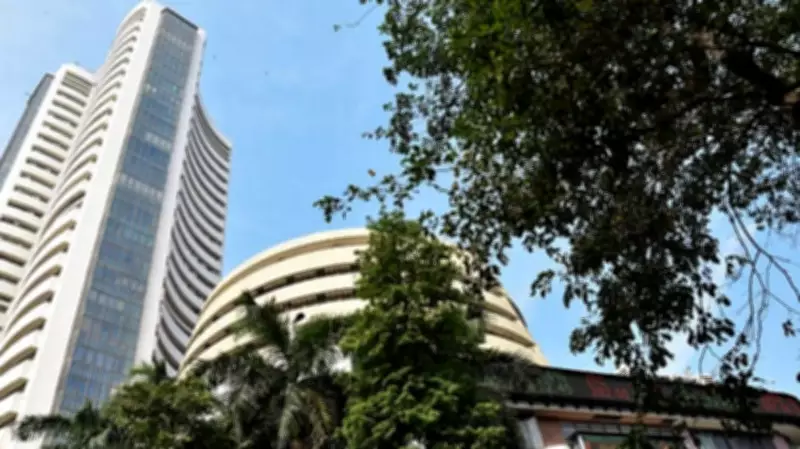
Indian Stock Markets Witness Sharp Decline Amid Geopolitical Tensions
The Indian stock markets experienced a significant downturn on Monday, with key indices plunging nearly 1% as geopolitical tensions in West Asia intensified. The collapse of crucial negotiations between the United States and Iran has triggered widespread fears of an escalating conflict, prompting investors to adopt a risk-averse stance.
Sensex Records Substantial Losses
The benchmark 30-share BSE Sensex tumbled a substantial 702.68 points, representing a decline of 0.91%, to settle at 76,847.57. During the trading session, the index witnessed even more severe volatility, diving as much as 1,681.93 points or 2.16% to touch an intraday low of 75,868.32. This sharp movement underscores the heightened uncertainty and selling pressure that gripped the market throughout the day.
Geopolitical Catalyst: Failed US-Iran Dialogue
The primary driver behind the market's sharp correction was the reported collapse of diplomatic talks between the United States and Iran. The breakdown in negotiations has significantly heightened concerns over a potential military confrontation or further instability in the already volatile West Asia region. Such geopolitical risks typically lead to a flight of capital from riskier assets like equities to safer havens, impacting emerging markets like India.

- Disruption in global oil supplies, which could lead to higher crude prices and inflationary pressures.
- Increased volatility in currency markets, affecting the Indian rupee and foreign investment flows.
- Broader economic uncertainty that could dampen corporate earnings and economic growth prospects.
Broader Market Impact and Investor Sentiment
The decline was not isolated to the Sensex, with the broader Nifty 50 index also recording significant losses. Sectoral indices, particularly those related to oil and gas, banking, and automobiles, were among the hardest hit due to their sensitivity to geopolitical and economic shocks. The market breadth was overwhelmingly negative, with a large number of declining stocks outpacing gainers.
Investor sentiment, which had been cautiously optimistic in recent weeks, turned decidedly bearish following the news. The fear of prolonged conflict in West Asia has introduced a new layer of risk, compelling both domestic and foreign institutional investors to reassess their portfolios and reduce exposure to equities.
Looking Ahead: Market Outlook and Key Factors
Financial experts suggest that the market's trajectory in the coming days will heavily depend on developments in the geopolitical landscape. Any de-escalation or resumption of dialogue between the US and Iran could provide relief and potentially trigger a rebound. Conversely, further deterioration in the situation may lead to continued pressure on stock prices.
Key factors that investors will be monitoring closely include:- The response of global central banks and any potential impact on monetary policy.
- Movements in crude oil prices and their effect on India's import bill and fiscal deficit.
- Corporate earnings announcements and guidance from major Indian companies.
- Domestic economic data, including inflation figures and industrial production numbers.
The trading session on April 13, 2026, serves as a stark reminder of how interconnected global events are with financial markets. As tensions in West Asia evolve, market participants are advised to remain vigilant and consider diversifying their investments to mitigate risks associated with such unforeseen geopolitical shocks.