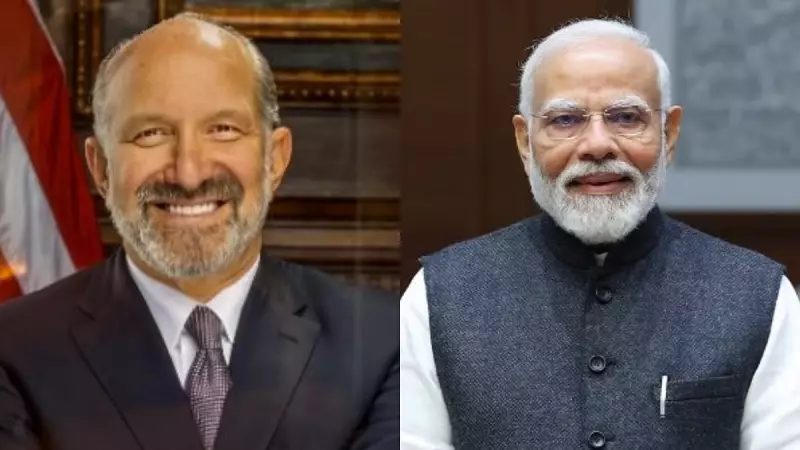
A significant trade agreement between India and the United States failed to materialise due to a crucial diplomatic step not being taken, according to a top US official. US Commerce Secretary Howard Lutnick has stated that the deal was "all set up" but ultimately did not happen because Indian Prime Minister Narendra Modi did not place a call to then-President Donald Trump.
The Revealing Statement from US Commerce Secretary
In a statement that sheds new light on the stalled negotiations, Howard Lutnick pointed directly to the lack of a high-level phone conversation as the breaking point. "Its all set up, you got to have Modi call the President. They were uncomfortable doing it. So, Modi didn't call," Lutnick revealed. This disclosure, made on 09 January 2026, highlights how personal diplomacy between leaders can make or break complex international agreements.
Behind the Scenes of the Negotiations
The proposed India-US trade deal was reportedly in its final stages, with technical details largely agreed upon by officials from both nations. However, the final political endorsement, often symbolised by a direct leader-to-leader conversation, never occurred. Lutnick's comments suggest the Indian side, specifically PM Modi and his administration, exhibited reluctance or discomfort in initiating the call to President Trump, which was seen as a necessary protocol to seal the agreement.

This impasse occurred against a backdrop of looming US tariff hikes and other trade pressures, making the potential deal critically important for bilateral economic relations. The failure to execute this final step left the comprehensive package in limbo.
Potential Consequences and the Road Ahead
The collapse of these talks has several immediate implications. Firstly, it leaves a major void in the trade relationship between the two democracies, potentially exposing Indian exports to higher American tariffs. Secondly, it underscores the fragile nature of international deals, which can depend on seemingly minor diplomatic gestures.
The incident raises questions about communication channels and protocol between the two governments during the Trump administration. Without the political blessing from the very top, the hard work of negotiators could not be converted into a signed agreement. The future of bilateral trade talks may now depend on rebuilding that high-level engagement and comfort between the current leaderships in Washington and New Delhi.