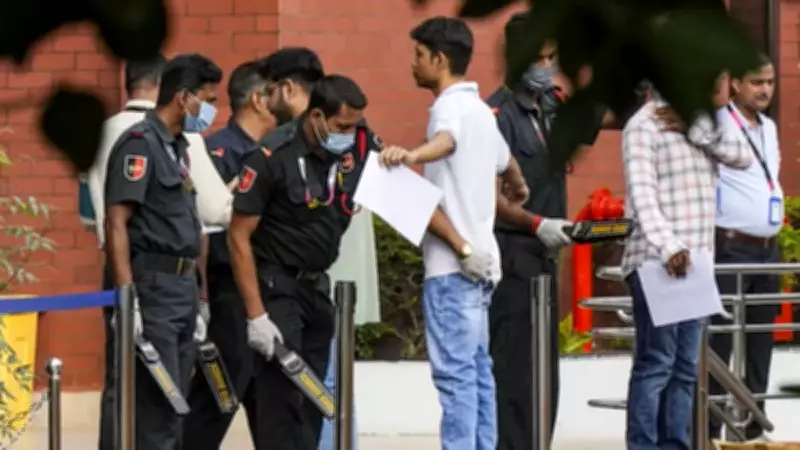
The Delhi government has announced the establishment of cooling zones and special waiting areas for NEET UG aspirants and their parents on the day of the examination, scheduled for tomorrow. The initiative aims to provide relief from the prevailing heatwave conditions in the national capital.
Cooling Zones and Waiting Areas Set Up Across the City
According to an official statement, the Delhi government has directed the setting up of cooling zones at all examination centers. These zones will be equipped with coolers, water dispensers, and shade arrangements to ensure students and parents can wait comfortably before and after the exam. Additionally, special waiting areas with seating facilities have been arranged near the centers.
The move comes as temperatures in Delhi have been soaring above 45 degrees Celsius, posing health risks for those traveling and waiting outdoors. The government has also advised centers to keep first-aid kits and emergency contact numbers readily available.

Measures to Ensure Smooth Conduct of Exam
In addition to cooling facilities, the Delhi Traffic Police has been deployed to manage traffic congestion around exam centers. Over 50,000 students are expected to appear for the NEET UG exam across the city. The government has also arranged for extra public transport services, including buses and metro trains, to facilitate easy commuting.
“We are committed to ensuring a hassle-free experience for students and their families. The cooling zones and waiting areas are part of our efforts to mitigate the impact of the heatwave,” said a Delhi government official.
Health Advisory for Students and Parents
The health department has issued an advisory urging students to stay hydrated, carry water bottles, and avoid direct sun exposure. Parents are encouraged to use the designated waiting areas instead of standing outside the centers. The government has also set up helpline numbers for any emergencies.
This is the first time such extensive arrangements have been made for a competitive exam in Delhi, reflecting the increasing focus on student welfare during extreme weather conditions.